One of the first things you do when you move into a new space, whether that be a new home, an apartment, an office, anywhere you’re going to spend a considerable amount of time – is put up artwork. Art holds a power that transforms blank spaces into welcoming, warm places that feel a little more like they belong to us.
As a species we’ve been decorating walls and spaces for literally millenia, with our ancestors painting cave walls with what they saw in the open grasslands and forests of ancient earth. Those concert posters you had in your room growing up? That landscape painting you have over your mantle? Same thing. Those artworks are meant to showcase your personality in space, sharing your personality and your love for what surrounds you.
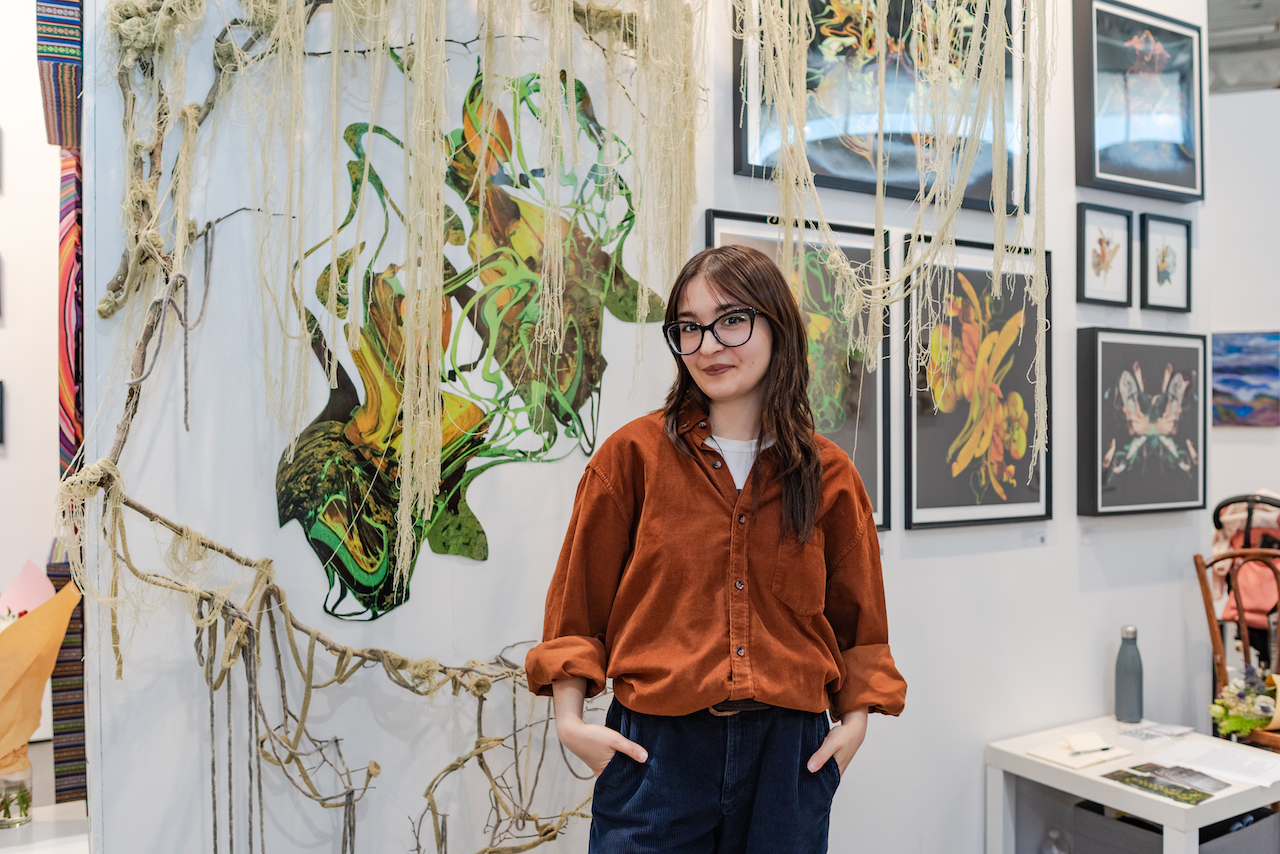
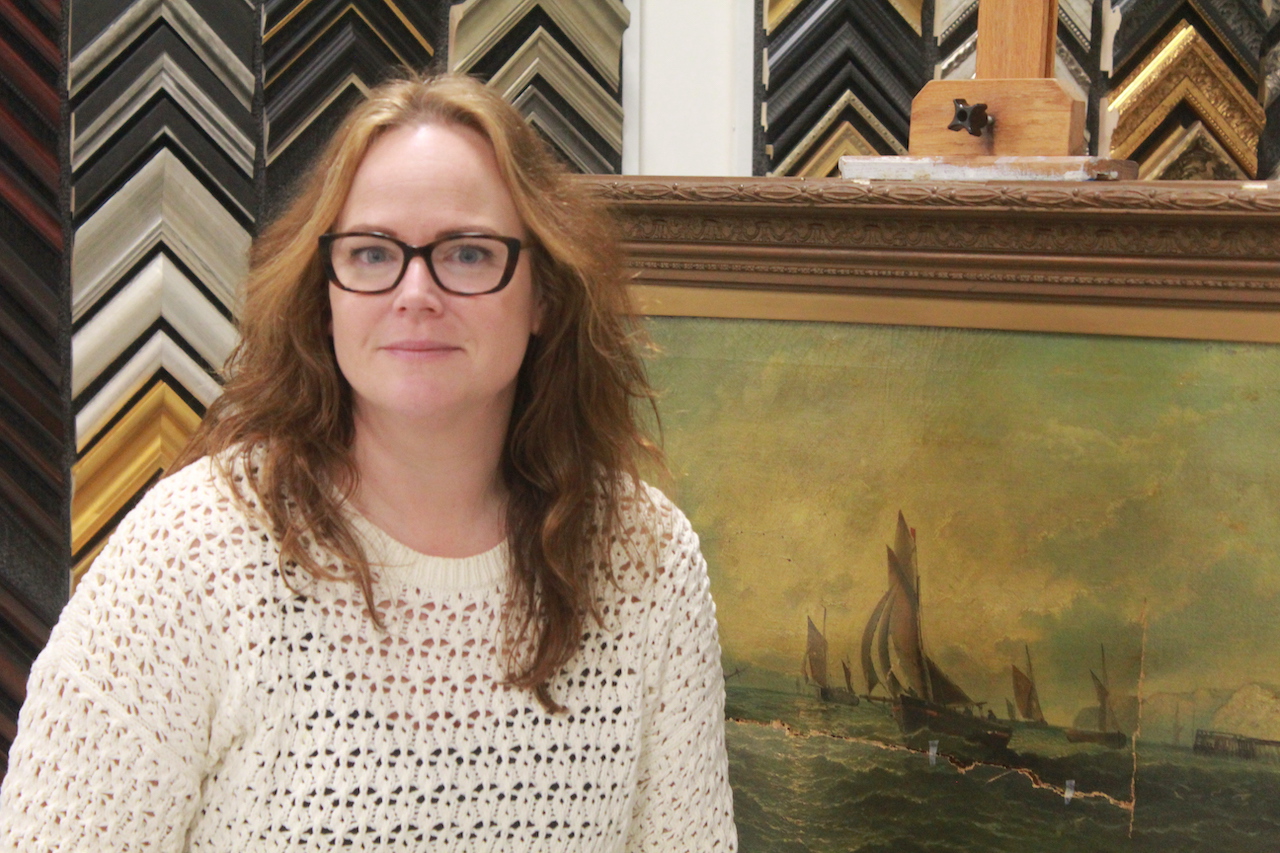
Amber Harwood understands why people love art. As the Director of Georgian Bay Art Conservation in Owen Sound, she hears a lot about people’s art and what gives these inanimate objects such a profound psychological hold over people, memory, and their unique sense of self. It’s her job to bring these pieces back to life.

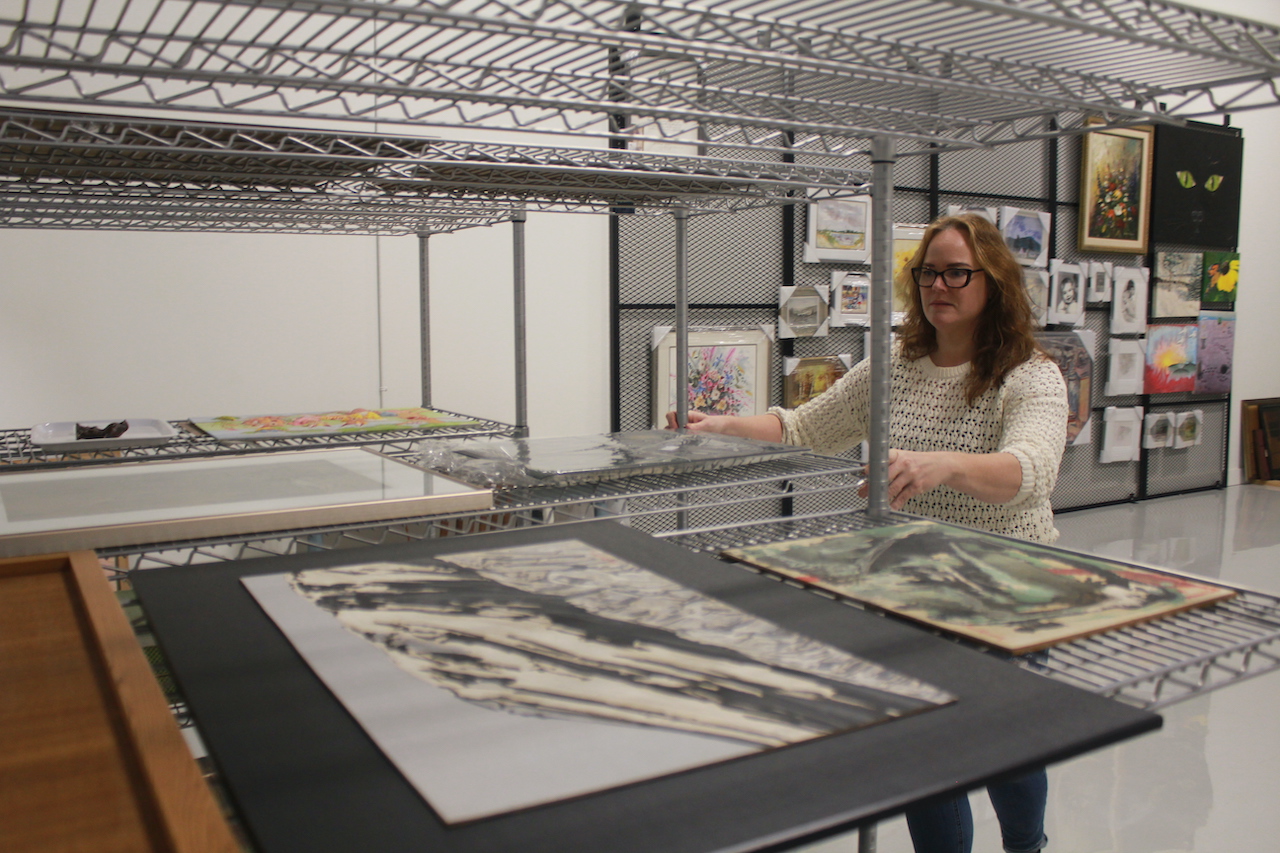
“The meaning that objects carry, and whether that’s a sentimental value or monetary value; that part’s really rewarding when someone brings you a piece that’s heavily damaged and you can restore it back to its original beauty,” she says in her Leith studio space – a sprawling, clean, industrial warehouse hidden from view. “Sometimes you’re dealing with something catastrophic like a house fire. Sometimes it’s just natural aging processes. And the stories. Oh, the stories are amazing.”
Amber recounts a particular heart-wrenching story of art’s profound meaning to its owner: a tiny painting on a wood panel. As a young girl, her client shared that she, her sister, and her mother were fleeing Poland during the Nazi occupation of WW2 and that tiny wooden painting was one of the very few pieces that her mother was able to grab and take with them.
“It’s stories like that that hold so much,” says Amber recounting the emotion of conserving that painting. “I hear things like that all the time from clients.”
Art is such an expansive and elastic concept. When you think of art, maybe you envision an oil painting by a master painter, hermetically sealed behind museum glass. Maybe you think about finger paintings, sculpture, graphic design, installation work, film – by proxy, anything artistic and made with the sole purpose to exist can be considered “art.” For Amber, that elasticity is what drew her to open her practice.
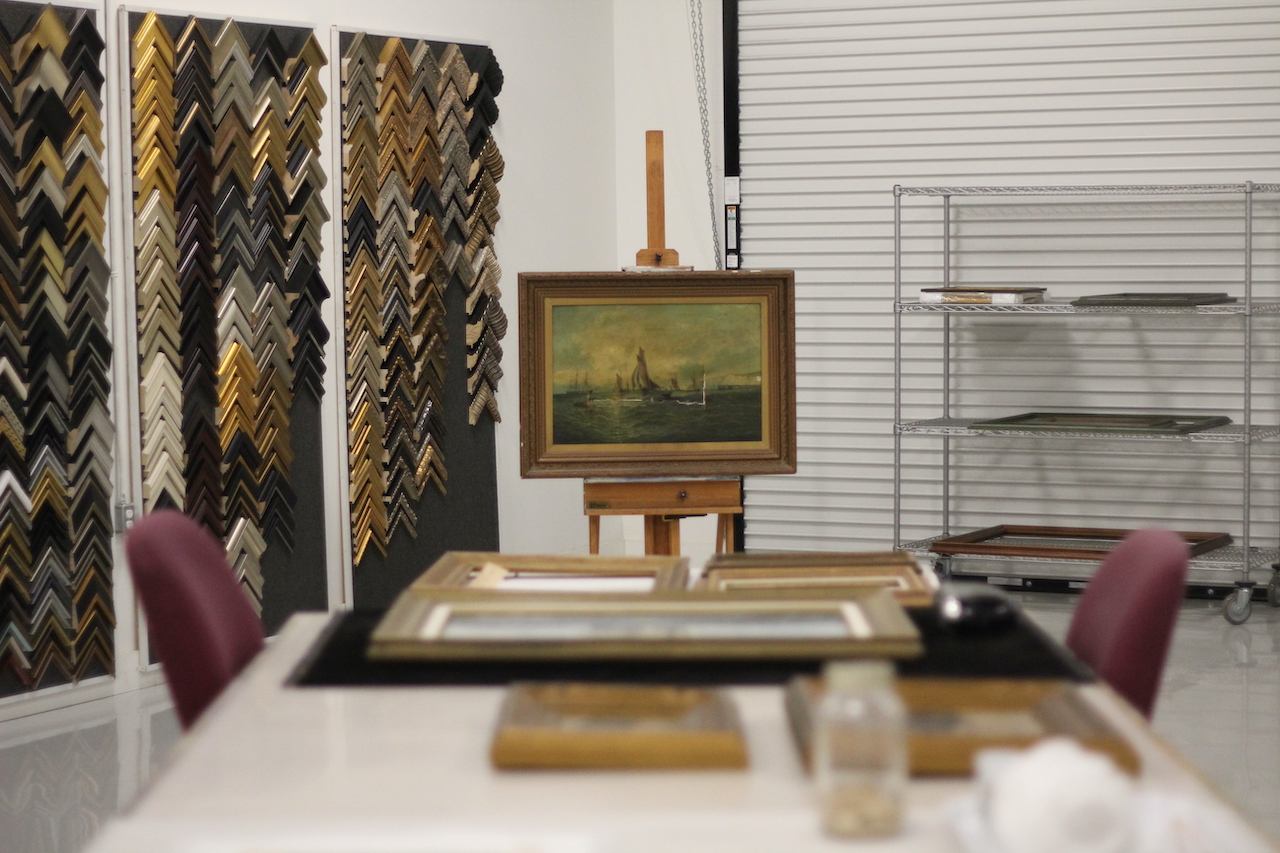
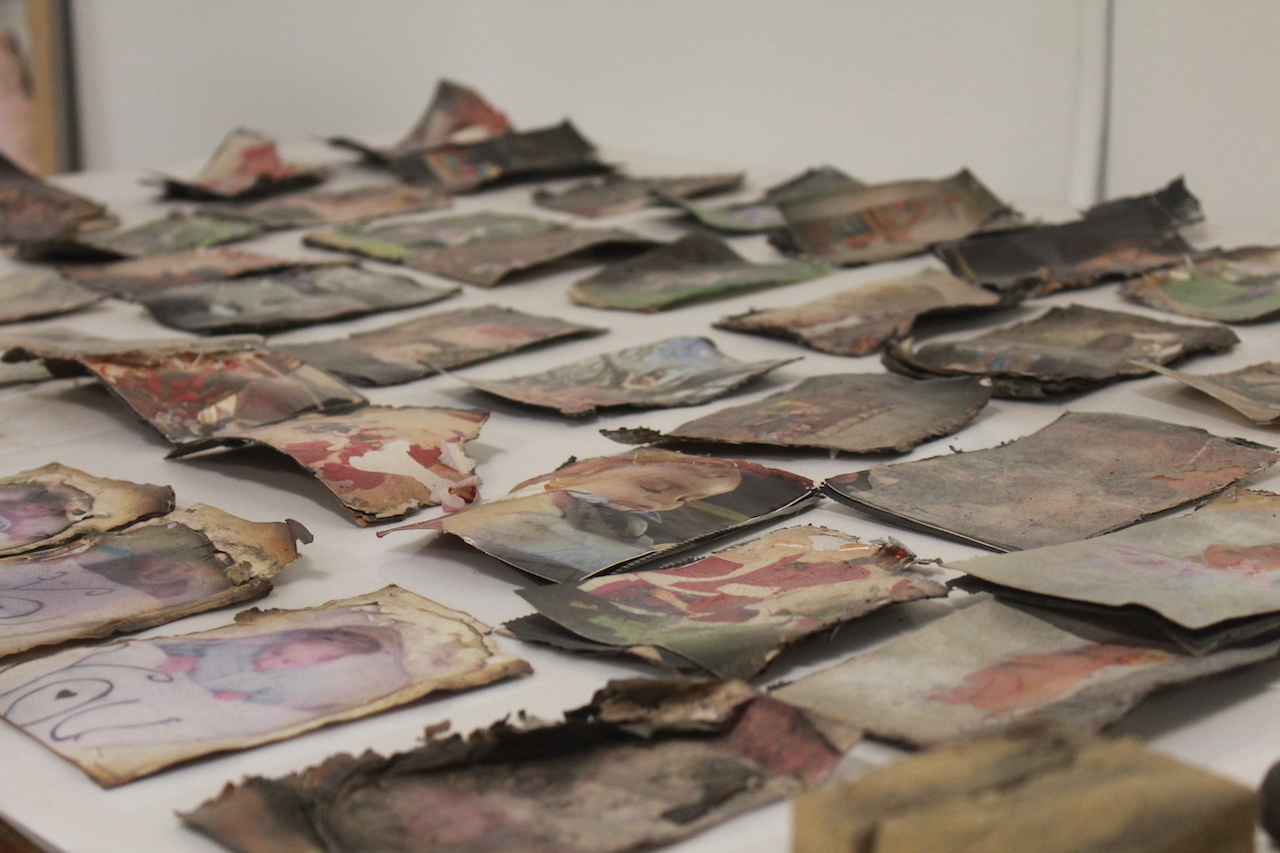
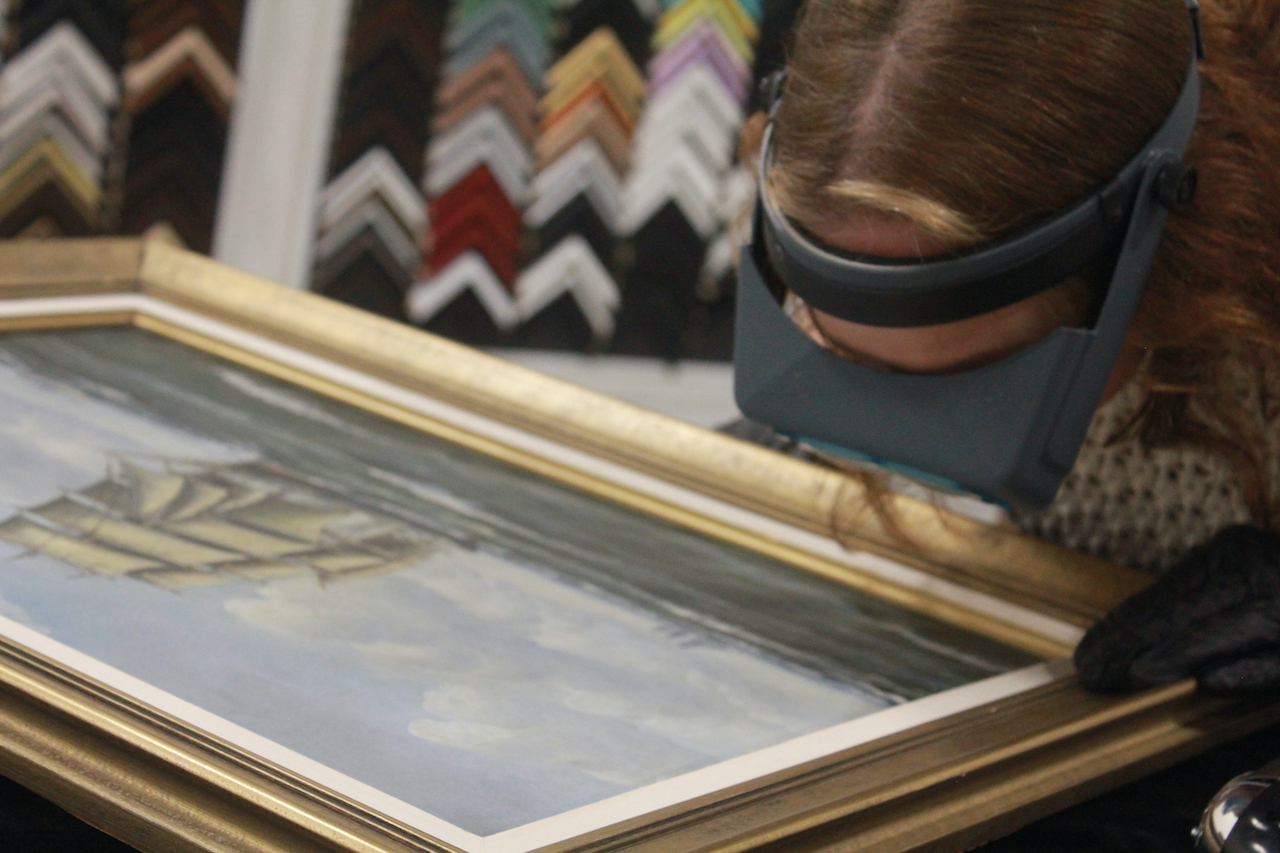
“As an artist, I could never kind of settle on a medium to work in. It was photography. It was ceramics, or I’d take my photographs and then silk screen those onto a clay slab, you know, I was always combining techniques and that sort of thing. And so, in private practice, I get to have that diversity of mediums that I can treat. And so yes, paintings are what most people think of when they think of restoration and a lot of those do come in. But, someone has brought me their grandmother’s cookbook. The whole spine was completely gone and it couldn’t function anymore. So I asked myself how could I mend it and put it back together so they can still use it and appreciate it and not fall apart, and keep all the handwritten notes or little drawings or whatever. The alterations her grandmother might have made to a family recipe so it keeps that deep meaning… what I preserve and restore for people is the object itself, but also all that meaning behind the object.”
A graduate of OCAD University in Toronto, Amber inherited a knowledge of context and an appreciation for meaning that was interwoven with hands-on experience – all leading to her deciding to look at art conservation as her vocation.
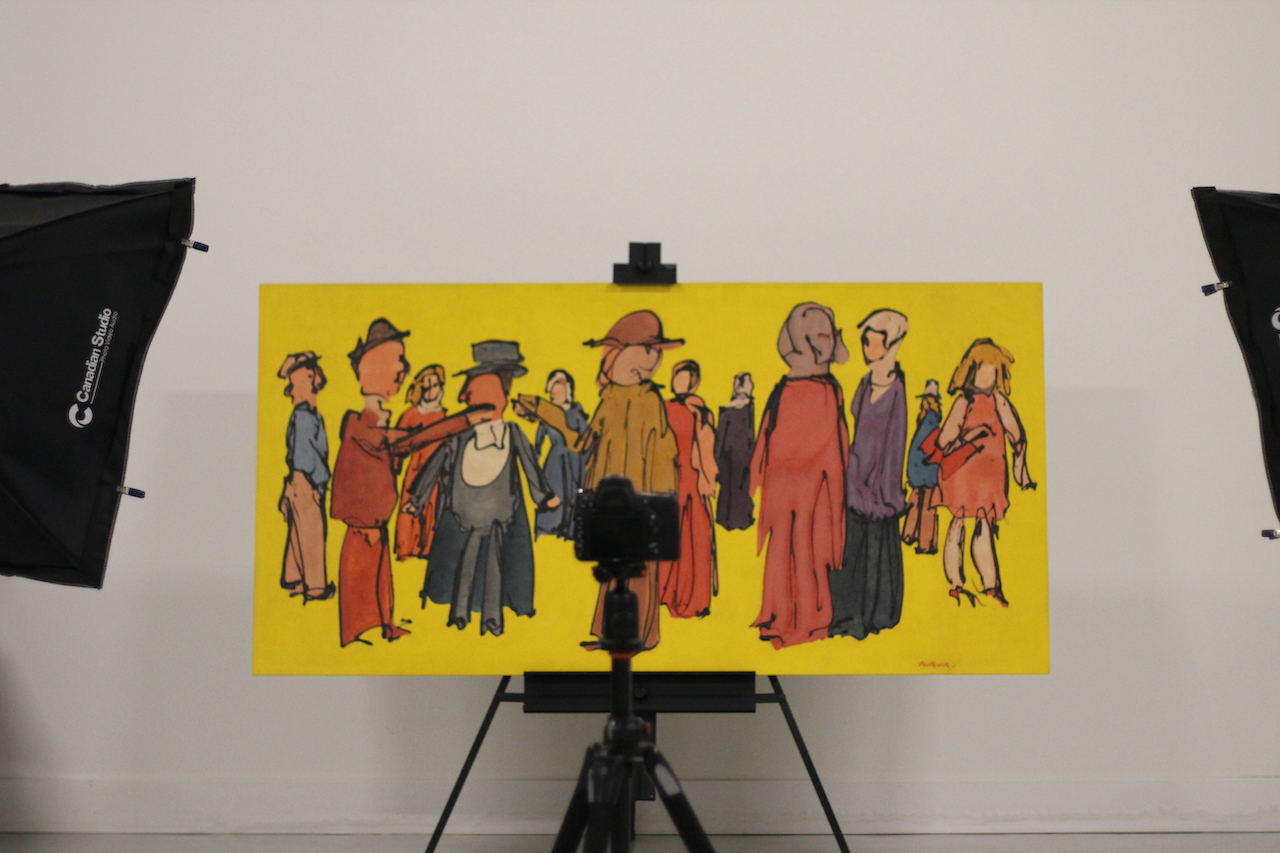
“Everything that I’ve done has built upon me, being able to do what I do and have that. My time at OCAD definitely informed what I do now, my familiarity with materials, and how they can work together and what their limits are… When it comes to restoration science, and understanding how things deteriorate and break down, it’s really, really important to know how they interact with each other.”
Amber always had the thought to be an artist and had the opportunity to work in a couple of galleries on Queen Street, eventually thinking she’d explore being a curator. Always a dynamic and changing environment, it was missing that critical hands-on component she needed as a creative person.
“Through that exploration I stumbled upon the [art conservation] program at Queens which is the only one in Canada at a master’s level. In order to apply, I had a fine art background but I didn’t have a science background. So I went to the University of Guelph to take organic chemistry. And while I was there, I did the photography program because I needed that creative outlet,” she laughs. “All of a sudden I was like, ‘wow, I got the science half of my brain working and that was hard – it was tough being an artist and having to awaken that part.”
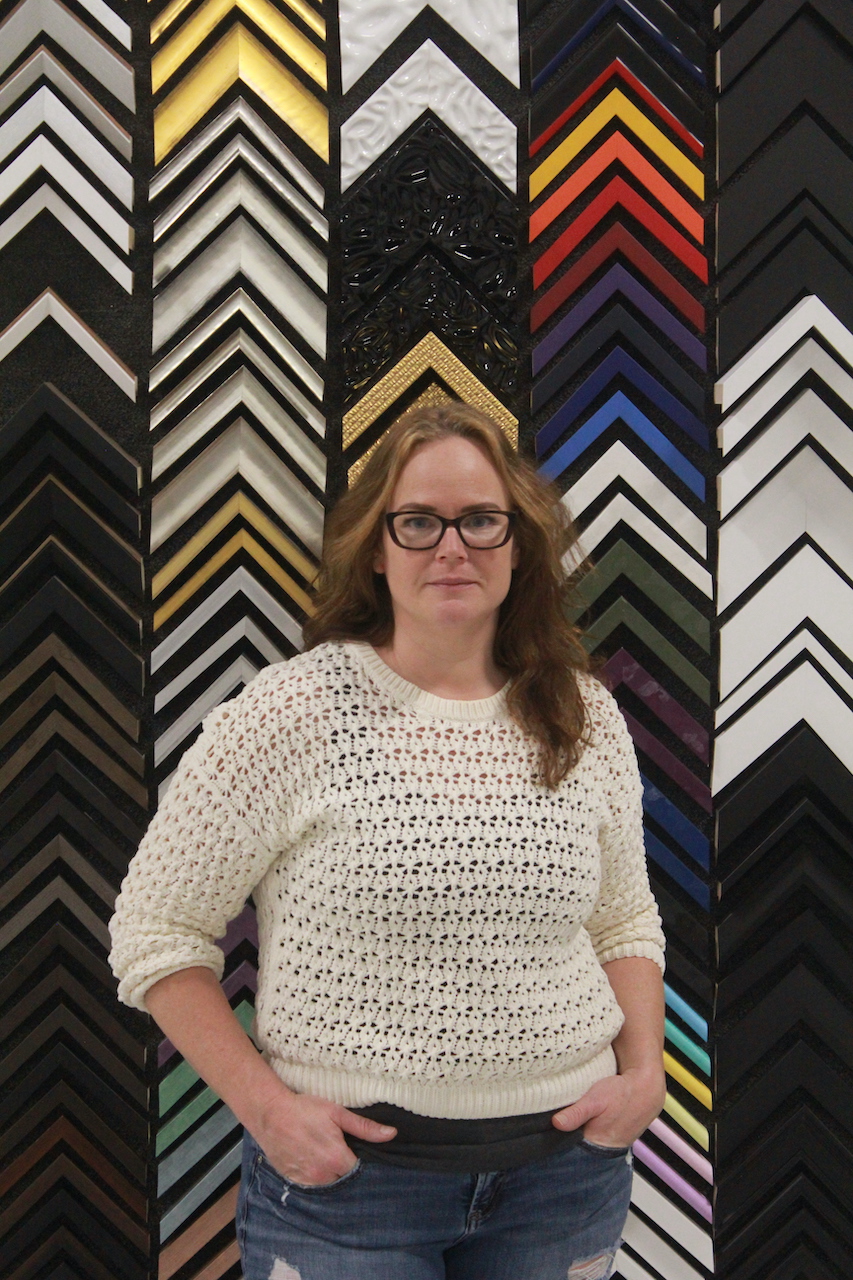
Conservation has given her the opportunity to work and train within some of Canada’s finest galleries, archives, collections, and conservation labs, including The Canadian Conservation Institute, Library and Archives Canada, City of Ottawa Archives, the Art Gallery of Ontario, Paul Petro Contemporary Art, and the Tom Thomson Art Gallery. She also served as Eastern Ontario’s regional representative to the Canadian Association for Conservation, and was the Canadian liaison to the Emerging Conservation Professionals Network of the American Institute for Conservation. A resume like that brings in clients from all over the world.
“Work comes from all over. All over Canada and the U.S. One of the decisions to come back to Owen Sound was it’s closer to my family and the geography of raising my kids here and being on the water… You don’t often find a conservation facility in a smaller city centre. It’s usually Toronto or Montreal, so I wanted to be a direct resource for a lot of the smaller museums and galleries.”
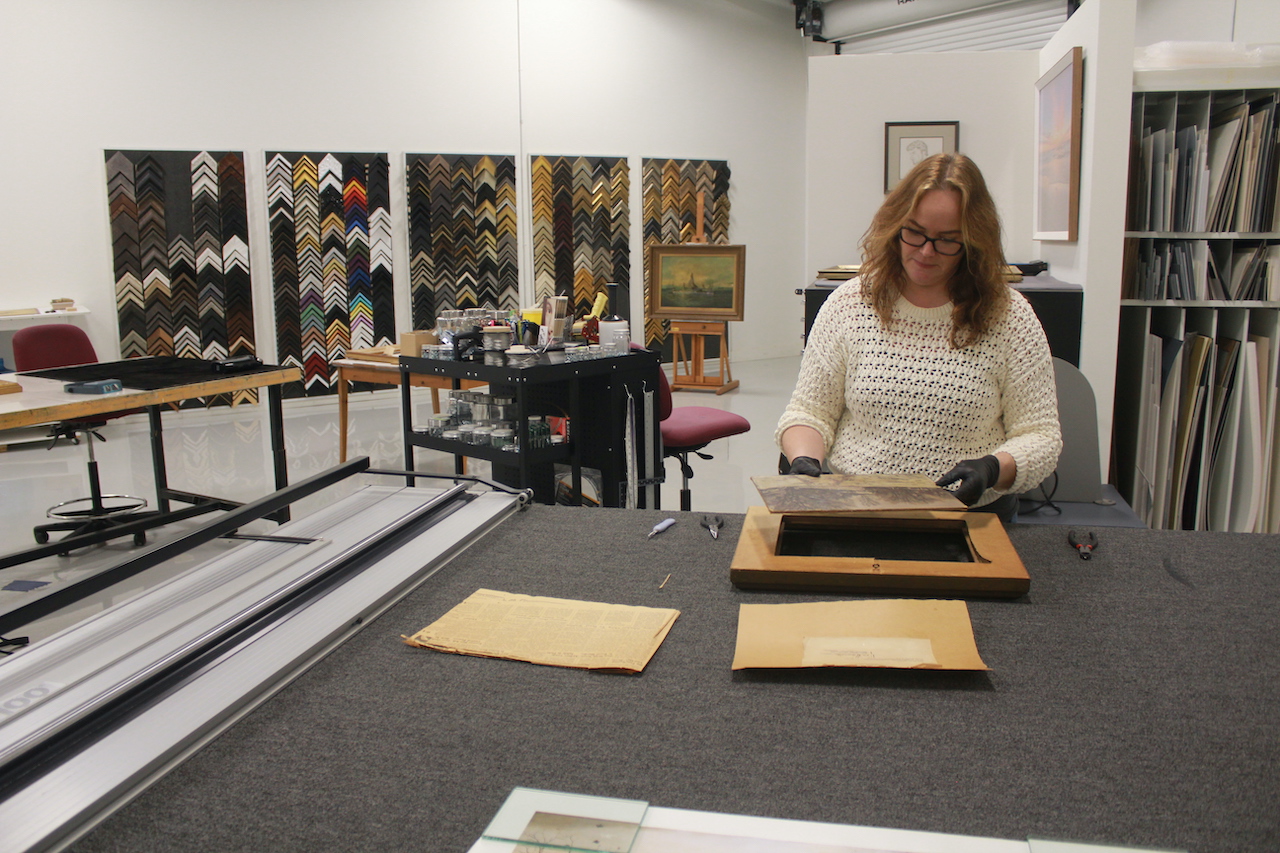
Amber takes me on a tour of her space and shows me a few ways she can lift dirt, manipulate materials, and identify what has to happen to seamlessly repair what looks like, to me, an unrepairable painting, document, or photograph. It’s a fascinating practice; the chemical solutions, the light exposure, the meticulous nature of pain-stakingly lifting dirt from a canvas with a skewer tipped in cotton gauze. The skill, the passion, the attention to detail.
“I like to break it down like this,” she says, spritzing a Robert Bateman drawing to the point of soaking. “I kind of simplify it for myself. Reasoning to be able to understand what’s going on. So asking myself what’s going to solubilize different layers, but maybe not impact the layer underneath them. That’s why you do careful testing. You want to get off an upper layer but you don’t want to impact the layer underneath. And so understanding how that impacts the cleaning ability of a solution. Temperature, sunlight… you really train yourself to look closely at what’s happening on the surface and then it starts telling you a story about the piece… You get so much information by a crack on the surface.”
We wrap up the visit and muse about the space as she walks me out. Her vision for the practice is felt in every corner of the room. Pieces of art await her touch. Their journeys are visible in the dirt, tears, rips, and crinkles. In this light, these works of art are almost asking for her help, like patients awaiting a doctor to begin healing.
“I think your life is like a journey,” she says, reflecting on the stories she’s shared with me. “Even though some parts might seem unrelated on the surface, everything you do in life, your experiences, all of that feeds and fosters your basis of understanding and how you see.”
Indeed, vision changes over time. Art creates meaning following life’s experiences. It’s clear Amber is doing more for these pieces than cleaning them; she’s revitalizing the memories held in their brushstrokes and imperfections. She’s breathing new life into the stories they hold.
Words and photos by Nelson Phillips