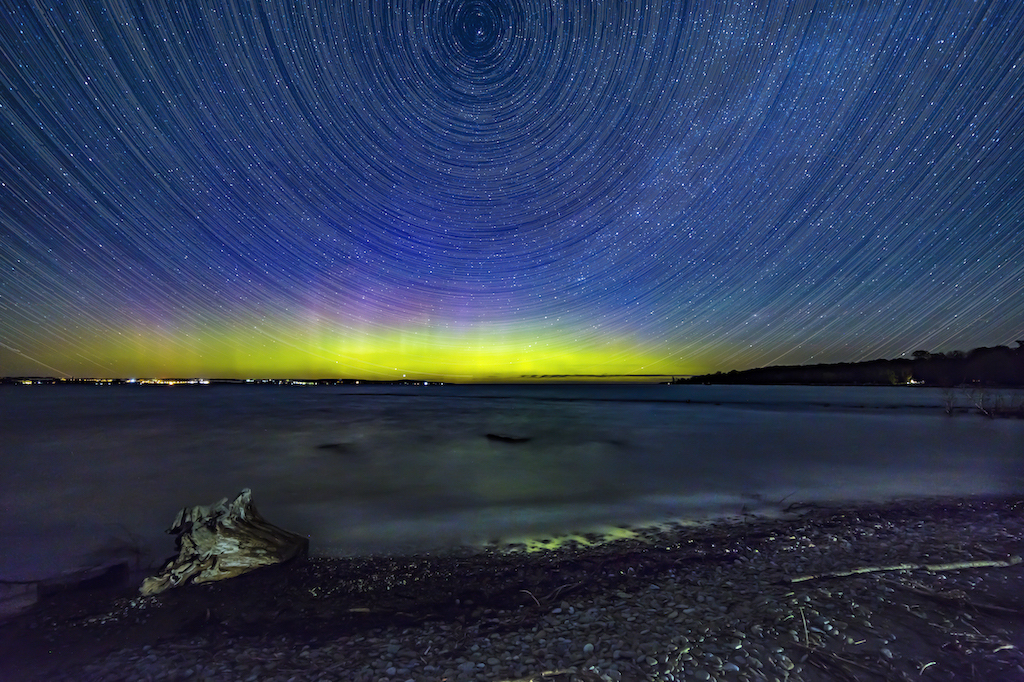
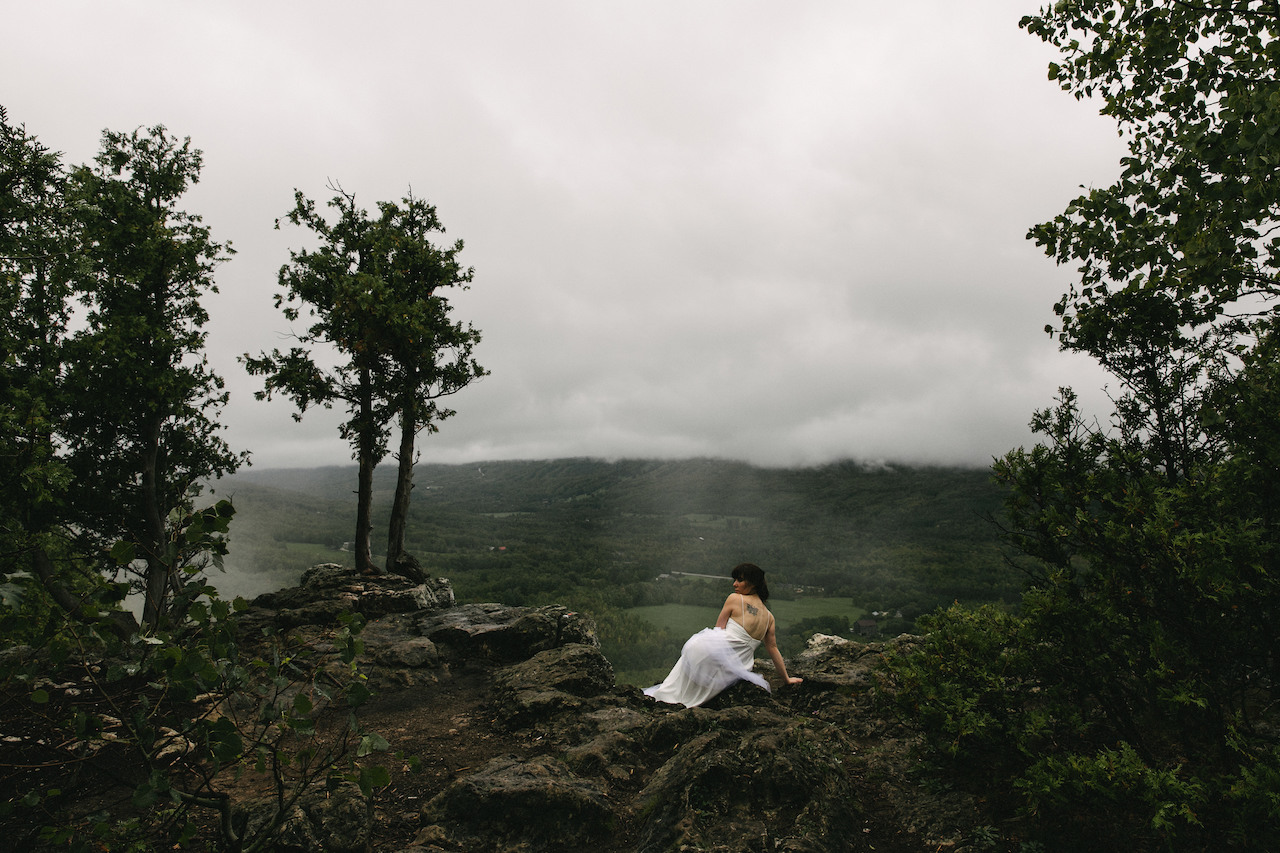

Imagine having someone come to you and say: ‘I want to entrust my most intimate, cherished moments to your creativity. I want you to take the reins and show me what you think I want to remember most.’ Whoa. That’s a request that the majority of us would shudder away from – but lucky for legions of people, Frances Beatty is a photographic force of nature. The Kimberley-based photographer has amassed a portfolio of work that oozes confidence – in her craft, her creative decisions, and in the trust and care she shows her subjects.
A quick glimpse at her work and you’d think you’d stumbled into some kind of fever dream. It’s not just a collection of photographs; it’s a meticulously crafted world where each shot feels like a secret, a moment stolen from a story only she and her subjects understand; and that’s special.

She’s not just taking pictures; she’s building a universe with identity, style, and rhythm at its heart. Whether she’s photographing food, people, weddings, experimenting with film, developing her own shots (who does that anymore?!) or pushing the boundaries of her own creativity, she’s a local photog we’ve been blessed to work with over the years.
We caught up with Frances for an in-depth interview and a chance to explore her process. Enjoy.
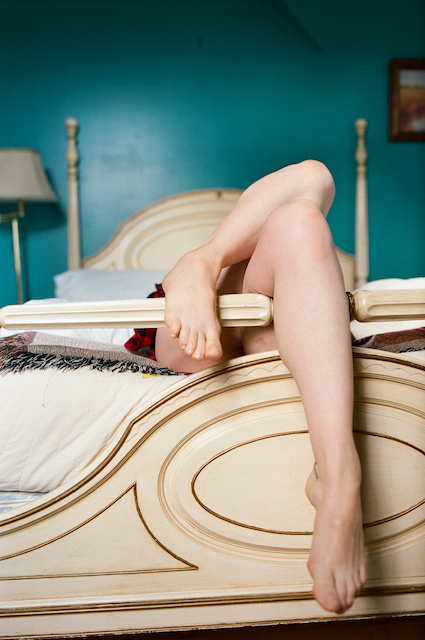
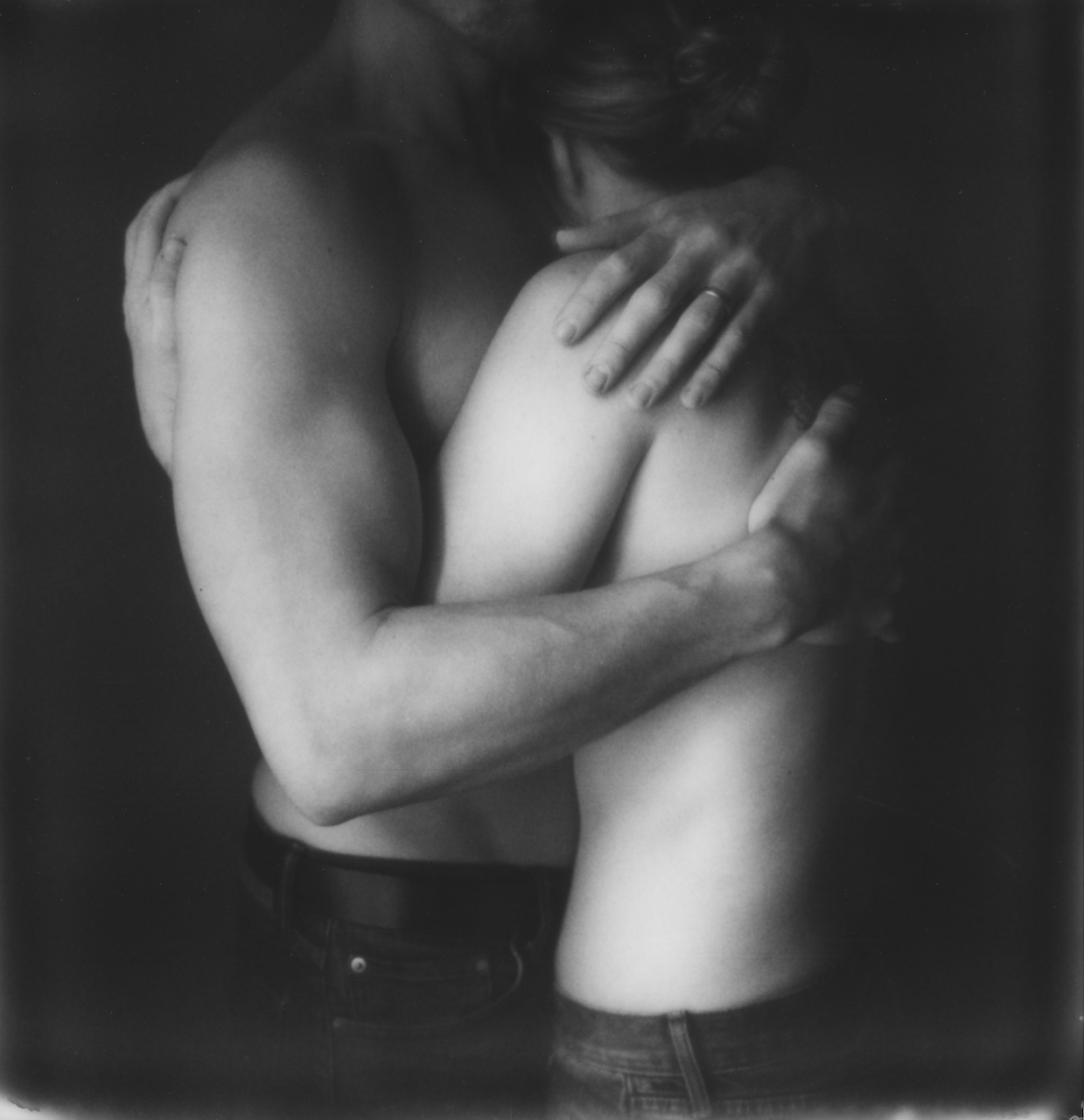
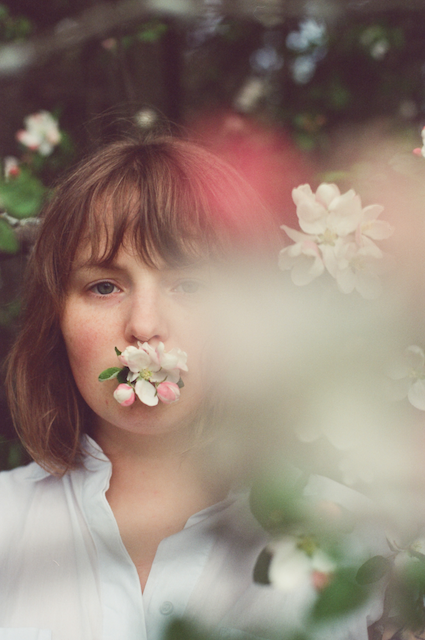
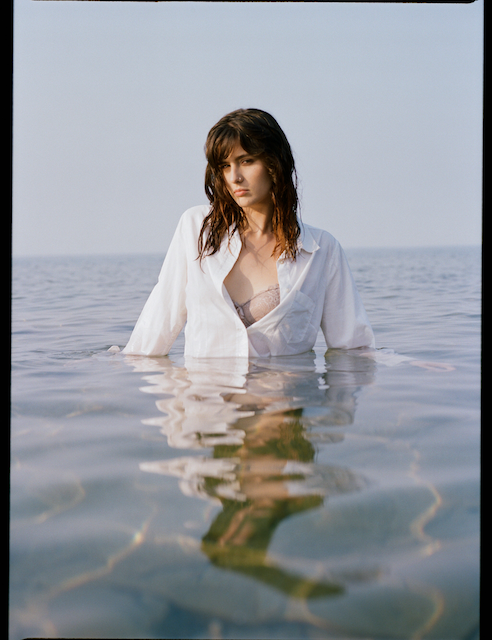
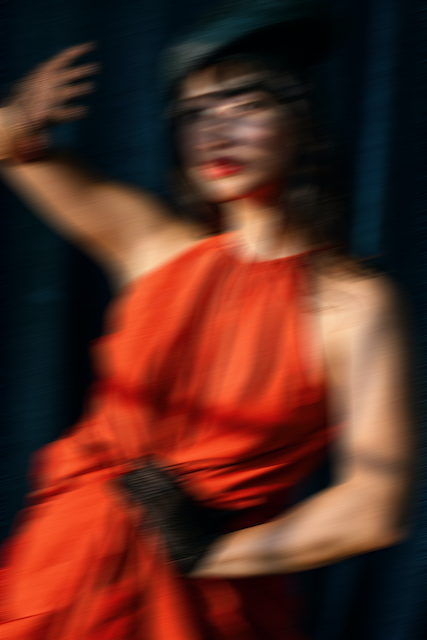
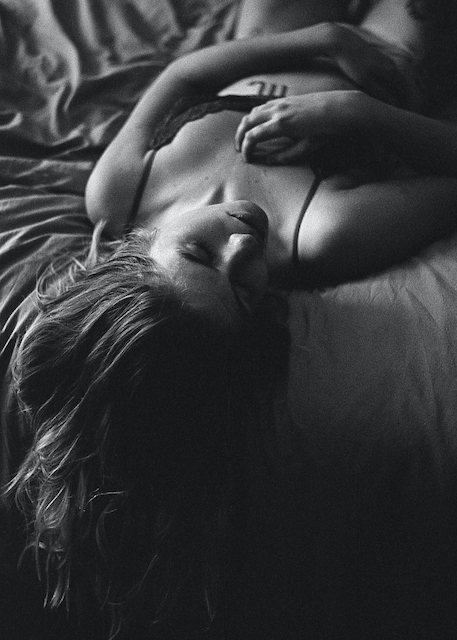
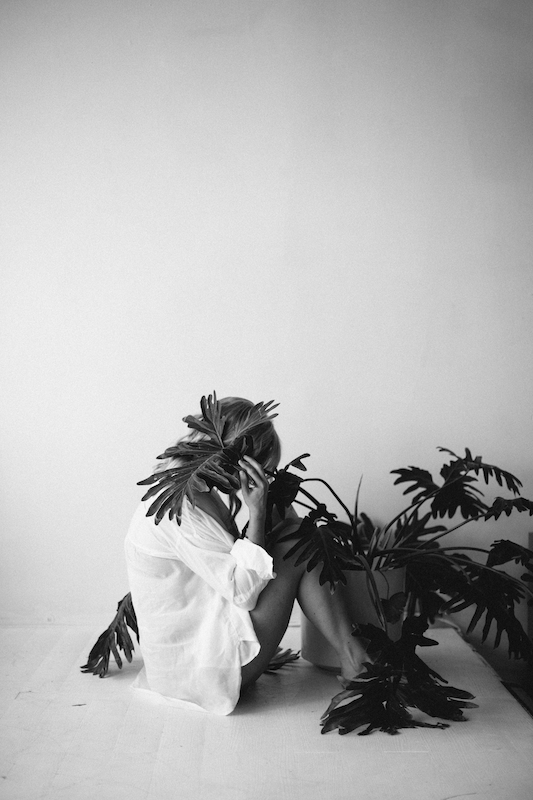
Rr: In looking at your work and scouring over your Instagram page in particular, I’m immediately struck by the style in your work; the fuzz, the grain, the occasional light spill, and the evidence of the camera being present itself. In a photography landscape that’s obsessed with megapixels, clarity, and ideal lighting, your work is freeing in the sense that its authenticity is easily felt. How have you honed that ability and where do you attribute your style originating?
Wow! First of all, thank you! I started exploring photography well before digital was a thing, and always loved the imperfections and happy accidents that came along with shooting film, especially Polaroid film. There was something that felt more akin to how memories feel to me; alive, imperfect, soft around the edges.
Authenticity has always been a core value for me, and I think I gravitate towards film because it still feels much more authentic than digital does. I went into the digital world kicking and screaming, but have found a way to emulate the aspects of film that draw me to it. I think studying a lot of the photography masters (Imogen Cunningham, Karsh, Francesca Woodman, Sarah Moon) has inspired me, but more than anything I feel like studying them gave me the freedom and permission to make work that feels raw, rather than perfect. I also draw a ton of inspiration from music and dance, and feel far more connected to things that aren’t super polished.
Rr: We can’t discuss your work without taking a deep dive into light. I look at your portfolio of images and I’m left wondering how you’re working with natural light so flawlessly. Outside of deliberately asking you what your secret is, explain your relationship with light and how you coax such dramatic impact from environments outside of studios.
I hate to admit it, but I’m not sure I have a secret. Ha! It feels more like an intuitive pull towards it, rather than a technical ability. I’ve always been drawn to light, and find myself hunting for it, or marvelling at it in my day to day life. I have even since I was a kid. Someone once told me that the way I look at my surroundings is still very childlike, and I love that. To me that means I’m still finding the magic everywhere.
I think if anything, learning photography on a black and white film camera, and spending so much time in the darkroom really allowed me to hone the skill of finding the light. I’ve found stripping away all of the colour allows you to focus more on composition and light. One little hack I can teach you is that I sometimes shoot in monochrome mode on my digital camera so that I can focus more on light and composition. I’ll shoot in RAW so it retains the colour information, but when I’m looking at it on the screen it’s in B&W.

Rr: You’re one of a very small group of photographers working against the grain and integrating real film work into your practice. I’m interested to know what it is about film that keeps you coming back, and whether it’s become something that clients and subjects are asking for.
Film is where my heart has always been. As I mentioned, I didn’t really want to switch to digital. (That being said, I don’t think I’d be a wedding photographer without digital. It’s way too much stress for my sensitive soul to shoot 100% on film for something that important.) I think my way of making it still feel like art to me while shooting for clients, was to make sure I had a film camera with me at all times. It slows down my process and lets me explore and be more tangible.
I have been a hybrid photographer since the beginning of my career. Conveniently, every trend comes in cycles and film photography is trendy again, so clients are asking for it outright. It used to be my little treat for me and my clients. Something to surprise them with. Now it’s a staple in every shoot. I still find ways to surprise people, though.
I have certainly found that in my self-portrait work that shooting on film allows me to be more intentional, and thoughtful ahead of the shoot. Especially when I shoot on Polaroid film. I will often only give myself one shot for an idea, so I really need to take the time to think it through before I click the shutter. Having to wait to see it, also gives me the space to view it as an artist, rather than be critical of myself as the subject. In a way, it’s an act of kindness to shoot film.
There’s also the tangible aspect. You connect on a deeper level when you’re physically immersed in something. Digital feels like there’s a layer of separation, especially in the editing process.
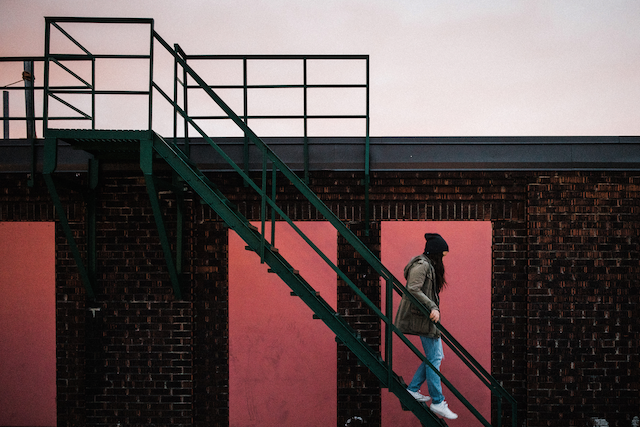
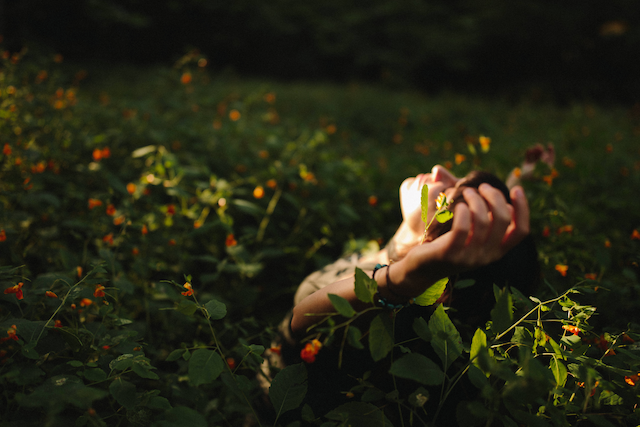
Rr: Second to that, you’re also developing your own film! I haven’t been in a dark room since high school, but in thinking back on it, developing my own photos was something I loved doing. Tell us about why you opt for this hands-on approach to working with film – and when you do get your work developed and processed by someone else, who do you trust to do that work?
Oh man! It’s the best! I’m still wishing and hoping for someone to open up a darkroom in Owen Sound. Mind you, I think my family would miss me if that were to happen! My darkroom gear is sitting and waiting for me to find a space with appropriate ventilation. I started in the darkroom when I was a preteen, and I miss it terribly.
I haven’t been in a darkroom since I graduated from OCADU, but I still develop my own b&w film at home, using a changing bag and a developing tank. It’s so meditative and being hands on with my work is really important to me. I think when we involve our whole bodies in the process, it allows you to make deeper memories and become fully connected with it. When there’s a screen that separates me from my work, it feels like a piece of it has been removed. Or I guess I’ve been removed from it. I also know that I’m focusing on it 100%; you have no choice. If you get distracted, you run the risk of really screwing things up. There’s no CTRL+Z.
For labs– I’ve gone through a lot of them. My favourite lab is Indie Film Lab, but they’re in the states so right now that feels out of the question. Lately, I’ve been switching back and forth between All Things Film in London, C41 and Graination in Toronto. They have all been great. I will also scan my own negatives if I’m not in a rush to get things out. I really do prefer to be part of the process from start to finish.
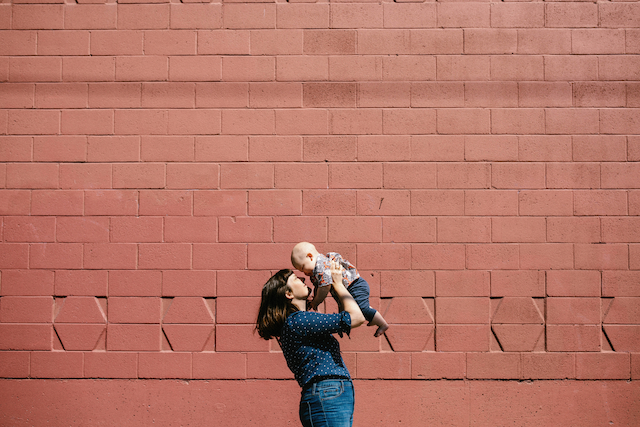
Rr: Your portraiture work is quite non-traditional in the sense it embraces motion and a sense of candor – that adds a distinct human quality that’s very much so about people and their intimate relationships with each other, places, family, etc. Let’s talk about trust – as a portrait photographer, how do you work with subjects to gain trust and find ways to help people feel comfortable in front of your lens?
Ahhh… yes! Trust is the most important element. I often joke that I’m not a good photographer, I’m just really good with people. Being in front of a camera is a bit nerve wracking for most people. You’d think we’d be desensitized to it by now with smartphones everywhere, but there’s an intentionality when a photographer points their lens at you.
For a really good portrait, you need your subject to be vulnerable, lay themselves bare. Or at least, a part of themselves. I spend a lot of time talking with my subjects (that word feels really impersonal). I’ve always loved to listen, learn about people and I pick up their energy (forgive me for sounding a bit woo-woo). I meet them where they are, and don’t ask them to be anything or anyone they aren’t. I also work really hard to make sure I come into every session with a calm energy.
I feel like life is always moving way too fast, and I love giving people the opportunity to slow down. I think that helps. You know how when you’re nervous or excited, you hold your breath? If I do my job right, I manage to give people an opportunity to exhale.
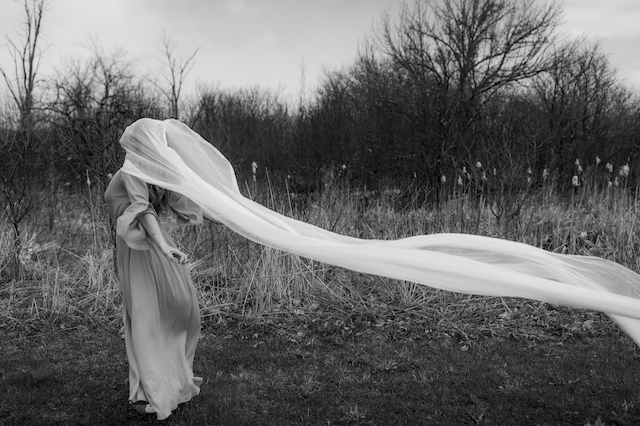
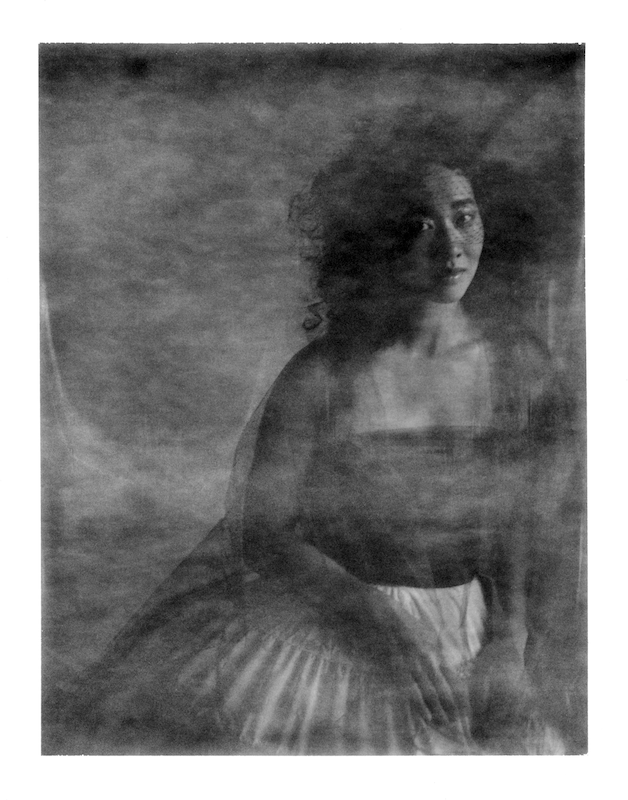
Rr: What is your go-to set up?
Every shoot is so different. I like mixing it up.
I refuse to give up my Canon 5Dmkiv’s for digital. I’m almost always on a 50mm 1.4 and 28mm 1.8. I often shoot on my sx-70 Polaroid camera, my Olympus om-1, and my Holga or Diana. For film, I always have Portra 400, HP5 and Polaroid 600 in the film fridge. I also always have some weird experimental films or SUPER expired film on hand.
When I first moved to the area, I caught an ad on Facebook marketplace for someone giving away some film gear. They didn’t say what they had. On a whim I went to check it out and ended up with a massive shopping bag full of film that expired in the 60s and 70s. It’s so much fun to create with something that throws you a curveball.
Rr: In a world where you can ‘fix it in post’ more easily than ever, I feel like you’re one to take the time to get it in camera. That said, editing is a huge part of photography, tell us about your approach to perfecting your craft after the shoot.
You nailed it when you said I take the time to get it right in camera. This comes from so many years of experience shooting film. Mistakes are expensive with film, especially these days. I am very strategic about choosing my gear and film ahead of time to match my vision. No matter if I’m working on film or digital, I like to edit my colours true to life. Where I might deviate a bit with colour, is when the colour was chosen intentionally to convey a mode or a feeling.
I think the feeling of the image is more important than looking absolutely perfect, but I do like to make sure my skin tones are accurate. I also take a more film style approach to editing in that I need a bit of time and space from the work before I can edit it. I take a lot of breaks while editing too, sometimes for a week or two. This lets me come back with fresh eyes. Printing things out and looking at them is also extremely helpful for noticing things you may have missed when you stared at an image for 10 hours on a screen. At the end of the day it often comes down to intuition and that gut feeling.
Rr: Tell the people what you have coming up, and where they can find you.
Great question! The 6th Annual Art in the Valley group exhibition is taking place Oct 24 – 26th at the Kimberley Community Hall. It’s a fantastic exhibition showcasing the talented artists of Grey Highlands, especially the Beaver Valley. We’re having an opening on Friday evening from 6pm – 9pm. People can come see my work, and have a chat with me about it.
–
You can find Frances online at francesbeatty.com, and via Instagram at: @francesbeattyphoto and @francesonfilm
Interview by Nelson Phillips