
Skateboarding has always been about backing up the underdog.
It’s a sport that is continually forged from a culture – not the other way around, and one that never shied away from the identities of its participants. Skateboarding, by its very nature, is a pastime that’s encouraged its skaters to face their fears – whether that be the solo journey of conquering the neighbourhood 5-stair, or harnessing the courage to take on the skate park in full view of your peers for the first time. Skateboarding, at its core, is a beautiful, therapeutic, and very physical metaphor for stepping into your power and owning whatever is in front of you.

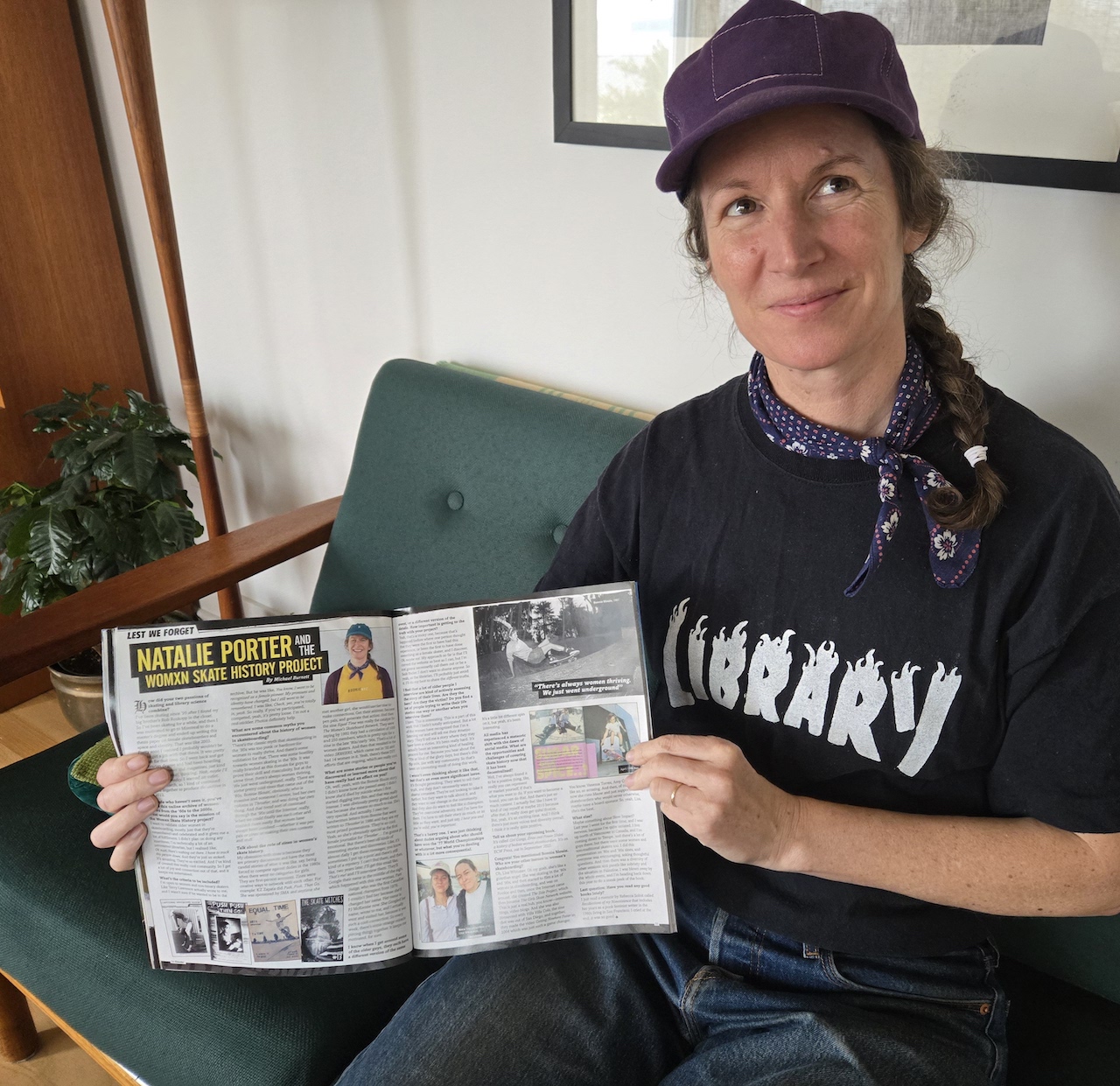
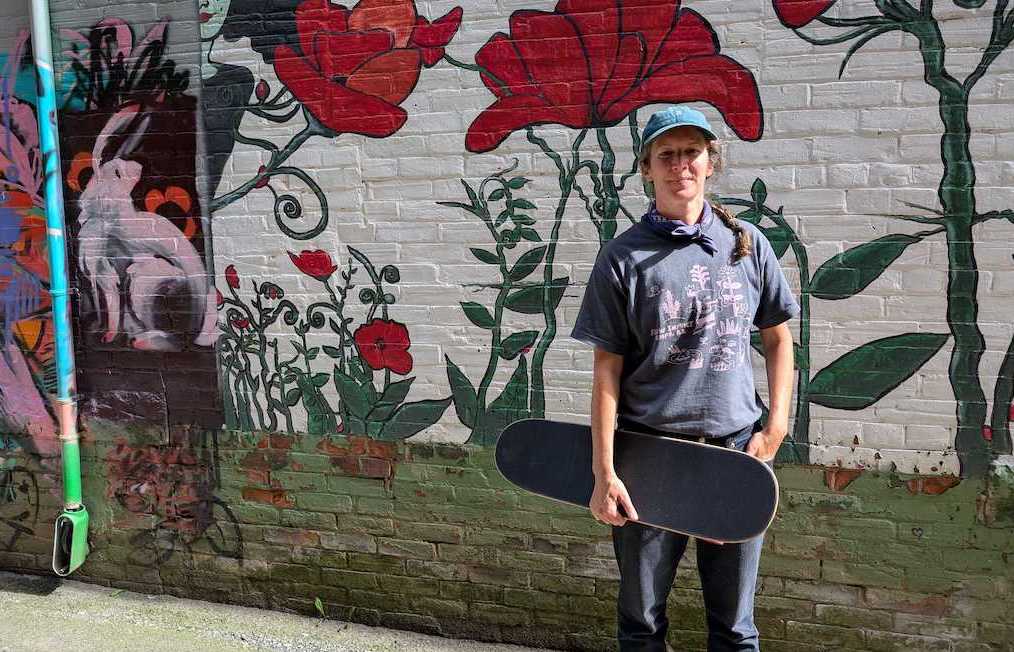
It’s in that same spirit of embracing the quiet rebellion that makes Natalie Porter’s new book, “Girl Gangs, Zines, and Powerslides: A History of Badass Women Skateboarders,” such a vital piece of cultural archaeology. Porter, a librarian, and an original Owen Sound skater, has painstakingly dug up a vibrant cultural history, and celebrates the women pioneers who forged their own path in a sport that’s not always been friendly to riders of the female persuasion.
For decades, the mainstream narrative of skateboarding was a prototypical boys’ club – but as Porter shows with meticulous care and infectious enthusiasm, women were there from the very beginning, often creating their own vibrant scenes outside the male gaze.
The “girl gangs” weren’t just about skating; they were about finding community and building a sanctuary on four wheels. The magic of this book lies in its deep dive into the DIY culture. These women weren’t waiting for permission – they were making their own zines: photocopying their stories, their art, and their skate tips. They weren’t polished, glossy magazines; they were raw, honest expressions of a subculture thriving just beneath the surface and out of view. Porter masterfully brings this to life, making you feel the creative energy and pure rebellion on every page.

“I was fortunate to have two big brothers,” says Porter during a pilgrimage home to the Scenic City this past summer. “They were five and seven years older than me and they were always into all kinds of board sports, like snowboarding back in the 80s, so I started snowboarding at age 11 at Harrison Park building jumps. It kind of made sense in the off season to take up skateboarding. I think my parents were a little hesitant for me to get involved, so it actually wasn’t until my brothers left for University that I stole my brother’s old board and just started skating to work. I was like 17, 1995. All of my friends were snowboarders, so it was kind of a natural fit.”
In an iconic essay by one of skateboarding’s literary forefathers, C.R. Stecyk, the documentarian who penned the ‘Dogtown articles,’ Stecyk once mused in his seminal text, “Aspects of the Downhill Slide,” published in the 1975 Skateboarder Magazine, that:
“skaters by their very nature are urban guerrillas: they make everyday use of the useless artifacts of the technological burden, and employ the handiwork of the government/corporate structure in a thousand ways that the original architects could never dream of.”
As a librarian, Porter is following in the footsteps of legions of skaters before her – reimagining her found environment in a revolutionary new way to help safeguard countercultural texts written by skateboarding women and girls all over the world. Her immaculate researching skills, knowledge of informational organization, and sheer persistence, are the key pillars of her book. In many ways, her background as an opportunistic skater has perfectly intertwined in a beautiful mess of purpose and heritage.
“I think just the nature of where I grew up, literally two blocks from the Carnegie Library in Owen Sound, and I was such a nerd,” laughs Porter. “Every summer reading club, I’d be down there getting my stickers and reading, so it was always a refuge and a safe place for me, and then it took me like decades to figure out, like – ‘oh my gosh, I should be a librarian.’ There is definitely a bit of overlap between my work as a librarian and this book… I sometimes call myself a rogue librarian. A little bit unorthodox. I became the branch head of the library on [Vancouver’s] downtown east side for four years because that was where I felt like I could be myself and connect with people. I’m very curious about people’s stories and that was the grittiest library out there. Skateboarders are pretty gritty people.”
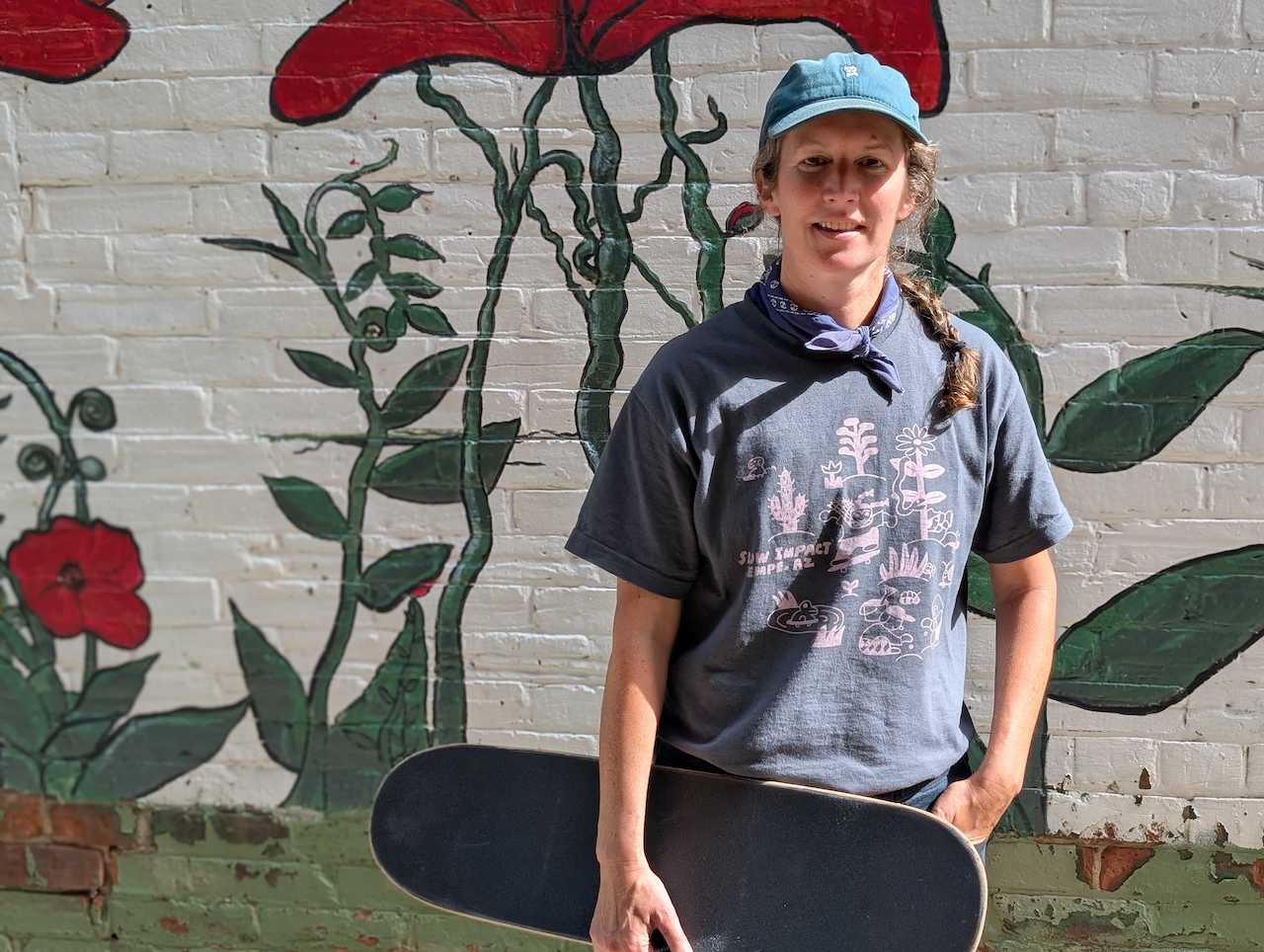

As you flip through the book, which is one part historical record and one part underground zine itself, it’s chalked full of the unbridled energy of these women. It’s an interesting book in that you can feel it as you flip the pages. The women Porter has compiled were carving their own lines, not just on pavement, but in history, and you get that sense in the care she’s put into her retelling. It’s a statement. It’s the sound of wheels on asphalt, the feeling of freedom, and the absolute confidence of pushing back against the idea that women didn’t belong on a board. The book is full of these moments, showing how skateboarding was, and is, a form of radical self-expression for all.
“It’s been like a 20+ year dream to have a book published, because in 2003, when I was actually in Montreal, I had done this thesis paper on female skateboarders and how they upkeep and negotiate space and identity. It was always on my mind,” says Porter. “Even as I became a librarian and developed this sense of value for primary documents, all my friends were making zines. And so, I just collected stuff… I started putting together bios, photos, contest scores, and I’ve realized now, it’s so much easier – some of these women have Facebook profiles. I can hit them up. A lot of women have changed their names, last names, or their gender, their pronouns. So, I like that hunt.”
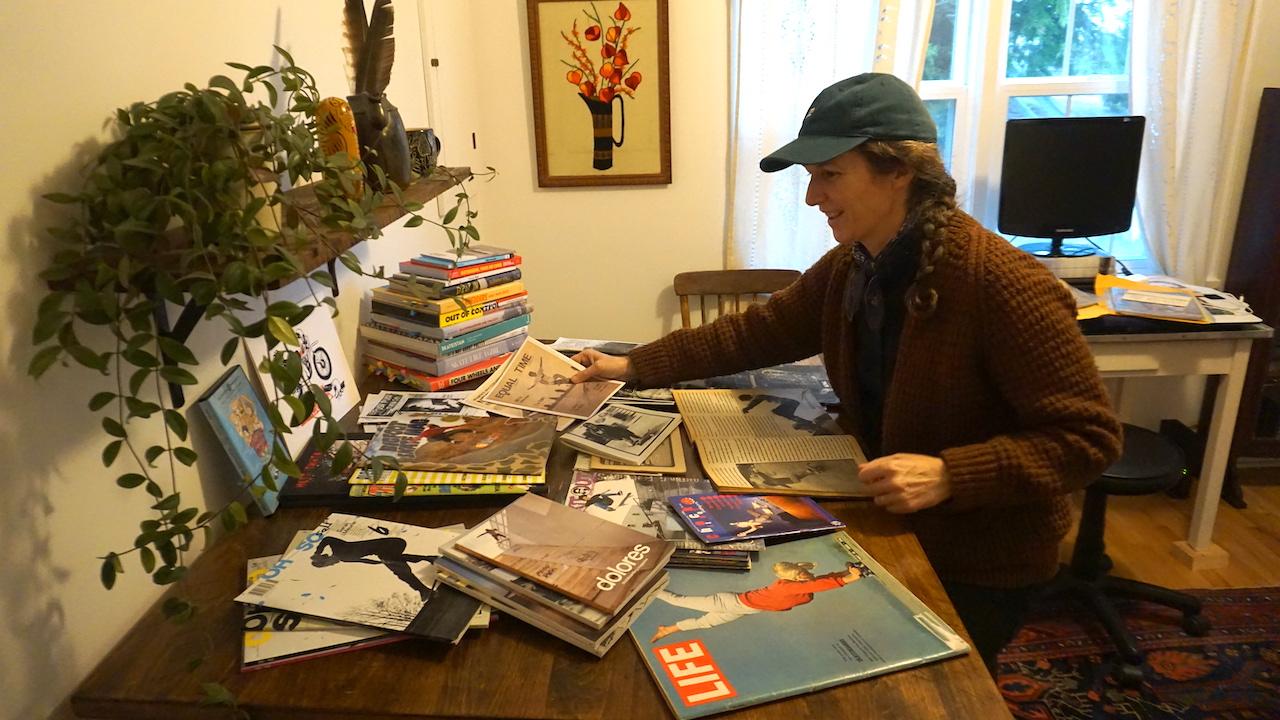
Already, the book is creating some wild opportunities for Porter and the accessibility of women’s skateboarding to the mainstream. She’s been invited to be a research consultant on women and skateboarding histories in San Diego, and has a ‘side hustle’ going on as an expert for the Smithsonian Museum, where the goal is to create a women’s skate history exhibit for the 2028 LA Olympics.
“It’s a bit of a niche space, eh,” laughs Porter.
What really stands out is how Porter shows the ripple effect of skateboarding on culture. The skaters in her book weren’t just skilled athletes; they were builders of a movement. They created spaces, shared knowledge, and inspired countless others. By giving these women the historical credit they’re due, Porter is doing more than just documenting the past; she’s inspiring the next generation of riders, documentarians, artists, and rebels. It’s a powerful reminder that history isn’t just what gets written down – it’s what we remember and celebrate. This book is an essential read for anyone who’s ever felt like an outsider and found their tribe.

Girl Gangs, Zines, and Powerslides: A History of Badass Women Skateboarders, was released in September 2025 by ECW Press in Toronto. You can pick one up from Indigo, Chapters, Amazon, and from the publisher here.
Words and photos by Nelson Phillips