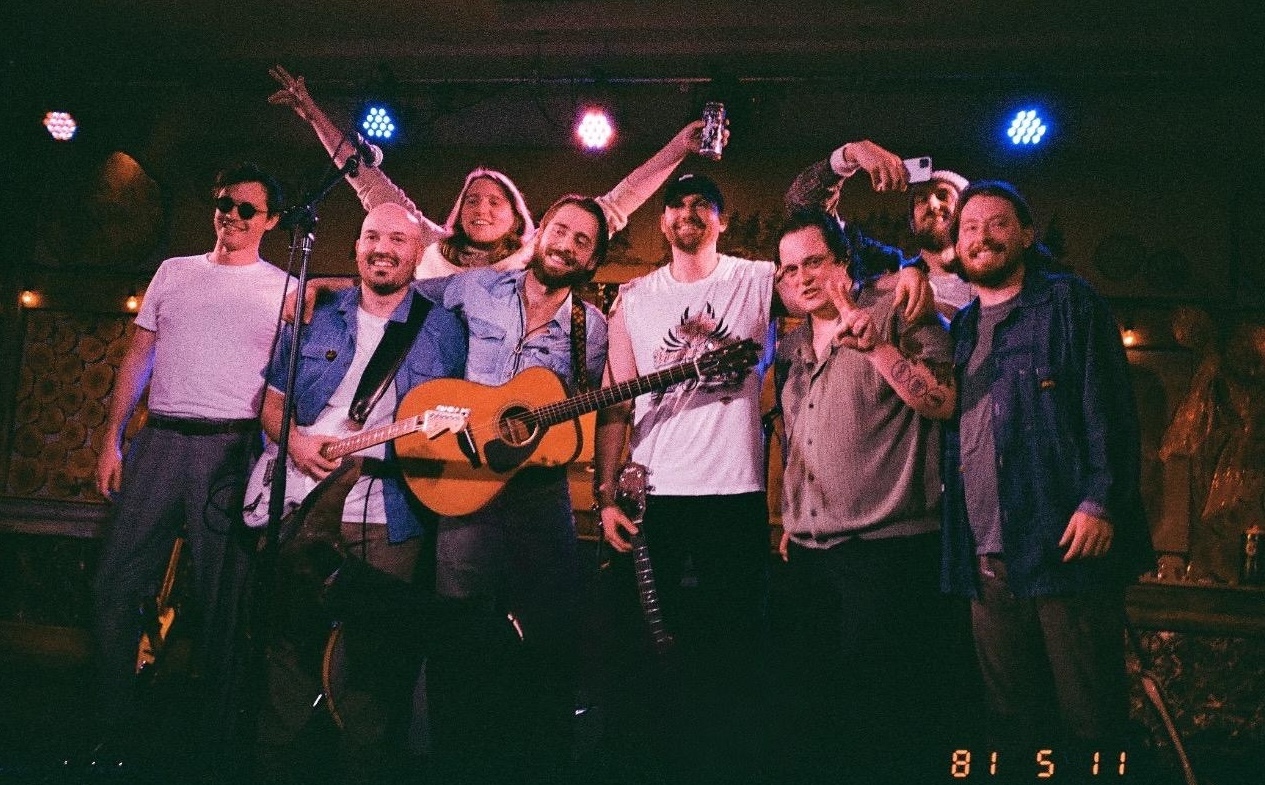
As a folk singer-songwriter living and touring primarily in Canada, there are few combinations of words more recognizable than “play something we can dance to” or “play The Hip!”
For years, I resisted the urge to either shout in the faces of those loud voices that interrupted my already beer-soaked set of original music, or the even more sinister urge to give-in; to appease the demands, to forget the dreams and passion for creating new music, to simply play one of forty tried and true classics that would ruffle no feathers and get the people moving.

There’s a battle inside every artist who has ever wanted to create something. The battle between listening to the unseen forces that seem to evoke inexplicable magic while making art – and paying the bills.
I think at times we don’t want to be pushed, to think new thoughts, to reconcile with unresolved issues or to develop new feelings. Instead, we cling to what we already know, memories we already have, feelings we can rely on. I wonder if this is why nostalgia plays such a role in our lives: it doesn’t require anything of us because we’ve already put time and effort into the memories it returns us to. When we get nostalgic, we don’t need to finish the new project or have the tough conversation. Instead, we get to watch reels of experiences we’ve already had, while lamenting time lost.
It may be naive or self-serving for a songwriter to draw this comparison between original music and covers, but I think it begs the question “do we like the past more than the present?”
Iconic Canadian venues, staple Canadian folk festivals, and many other soft-seaters used to be home to acts on the cutting edge of originality. When Robby Robertson or Joni Mitchell would take the stage, audiences and talent bookers knew they could expect an electric demonstration of what it meant to push the envelope, to breach new ground.
Recently, the change has been palpable. Places that once acted as sanctuary spaces for writers who didn’t want to pull from the Great American Songbook, are now walking a fine line when it comes to the ratio of original to tribute acts they book.
I mean, I get it.
As a song-seller with 15 years of live performance under my belt, there have been some truly incredible examples of how fulfilling a live performance can be. I have played festival backrooms for attentive audiences, captured otherwise rowdy crowds and have been lucky enough to be included on real folk festival rosters, but last year I hosted a show that rivalled all of that. Some friends and I threw a holiday show, chalked full of covers and songs that everyone and their dog could dance to, and you know what? It was a blast.
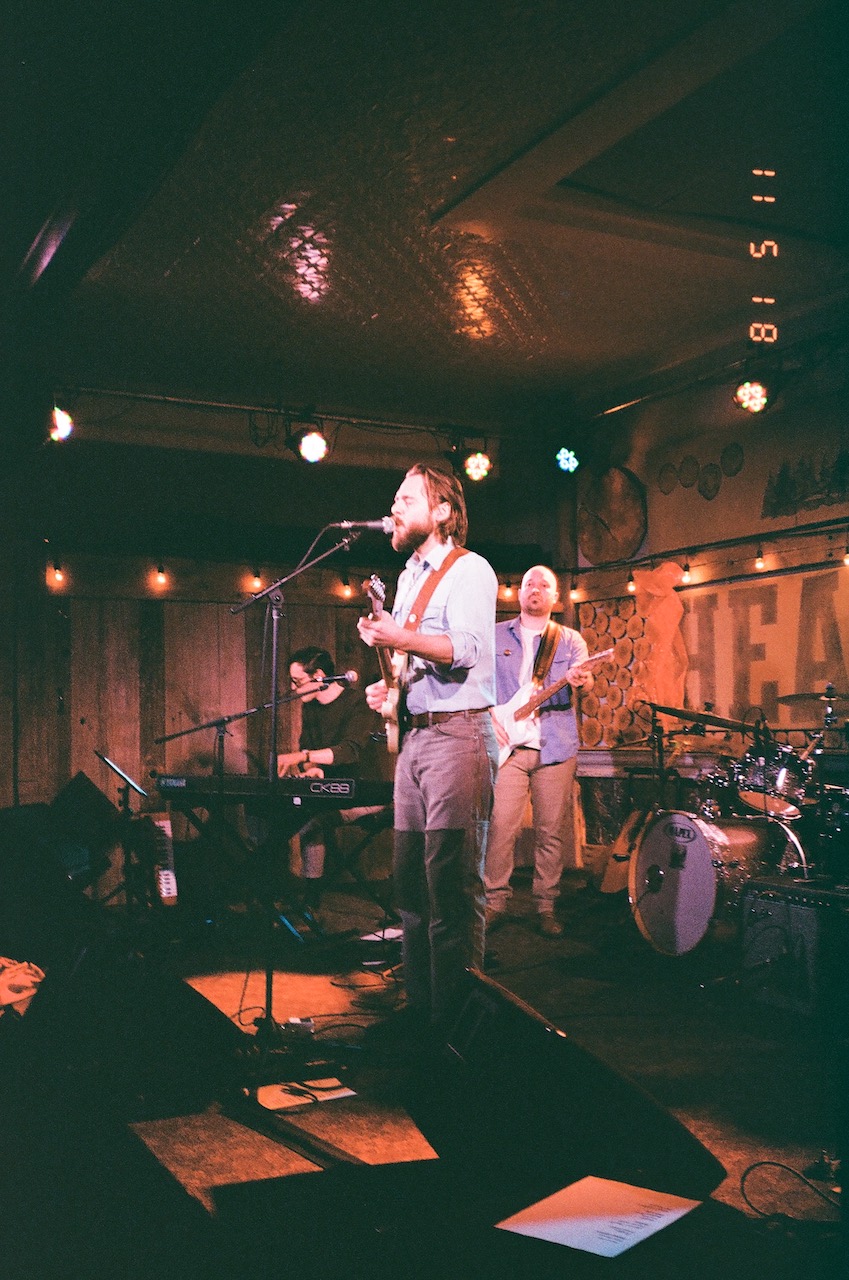
More than that, it was easy. I felt like a character, playing a version of myself: someone not worried about judgement or about doing a good job. There was something about playing other artists’ songs that felt like a form of protection, of self-preservation. I wasn’t standing out on a ledge, bearing my soul, asking the audience to form some newfound connection with the world around them; I was just pulling from the beloved gospel of classic rock music.
Riding the high of that show, I started thinking “maybe I should have been playing cover music all of these years.” I’ve heard this thought echoed by artists who have spent their entire careers trying to convince fans to listen to their songs. Wouldn’t it be easier to play songs that are already well-loved? Could this be the secret to successful live performance? You won’t meet a songwriter who hasn’t slugged it out playing cover gigs in a bar. Many adopt that strategy full-time, but at some point, too much of a good thing can get stale.
If you seek out the seasonal lineup of any mid-sized theatre or concert venue, you’ll find the music of Bob Dylan, Bruce Springsteen, The Eagles, ELO… you name it, almost every night of the week. And, the shows are usually great.
From a consumer standpoint, it often feels like we’re more willing to shell out $80 for a cover band, than we are willing to see four separate up-and-comers for $20 a piece.
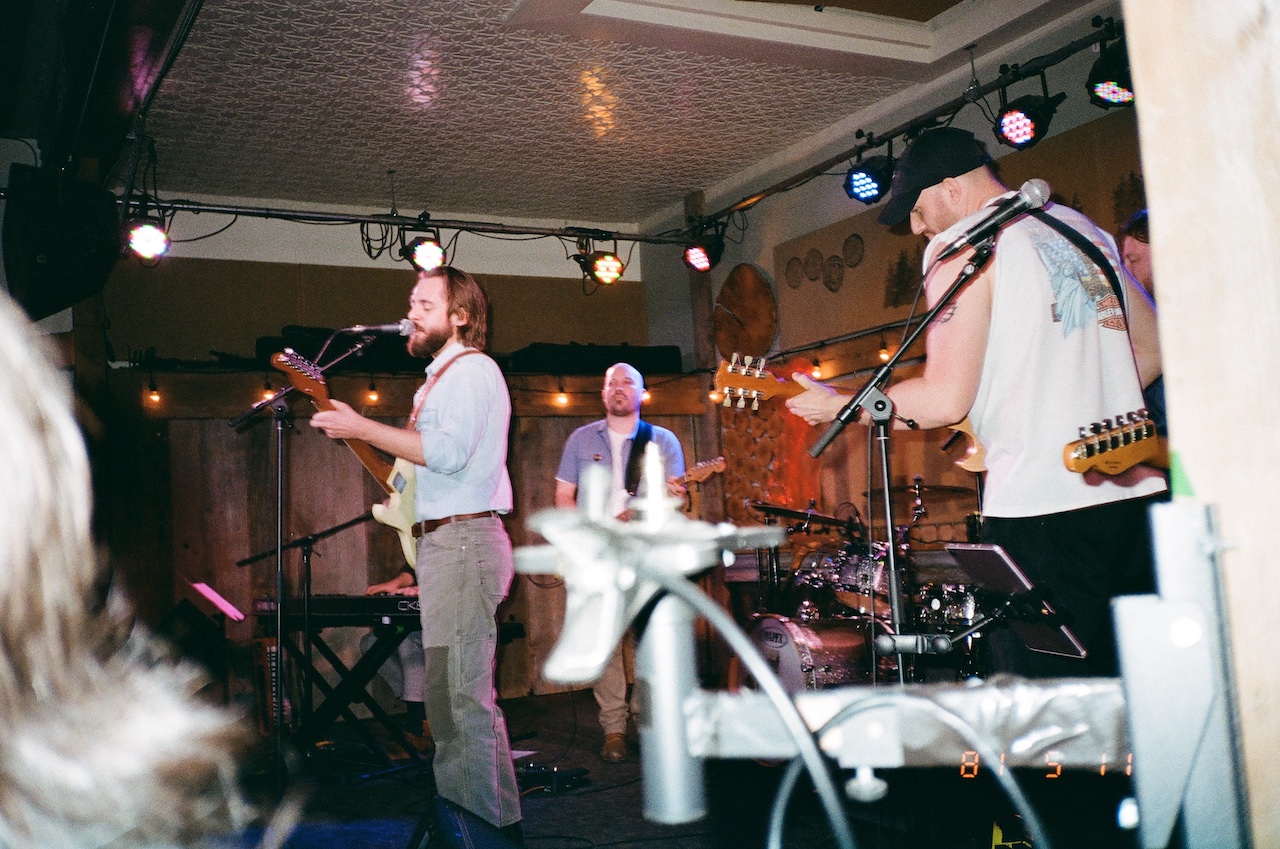
Of course, there’s beauty and merit in every performance, regardless of whether the performer wrote the song or just plays it well. However, if we create a world where cover bands and tribute acts take up more room on festival lineups, in theatres and in legacy concert venues, we’ll have to live with the result. These spaces used to represent original art. If that changes, where is it meant to go?
Cover bands sell tickets, they put bums in seats and turn a profit. While it’s understandable that many bookers need to balance a mixture of what sells with risk-taking, if we, as consumers, keep choosing the former, it will influence what we see on festival and venue lineups. On a smaller scale, we see this reflected in every bar and grill with a “live music tonight” sign on their marquee, who won’t book you if you do play original music.
If we’re too busy focussing on the past, we might never give the present, or new artists the chance it or they deserve. Worse than that, we might encourage the next generation of songwriters to trade their pens and pencils for signature series Strats and replica rock star costumes.
In a world where AI has developed the ability to imitate and regurgitate real human art, shouldn’t we be fighting against that in our own ways? Maybe ‘fight’ is the wrong word, but as a writer, a performer and a purveyor of new and exciting ways to interact with the world and its inhabitants, I’ll never stop believing in the importance of supporting, upholding the tradition of and creating space for new, creative, exciting, scary, sad, uplifting and emotive forms of original artistic expression.
How do we make sense of anything otherwise?
Written by Marshall Veroni