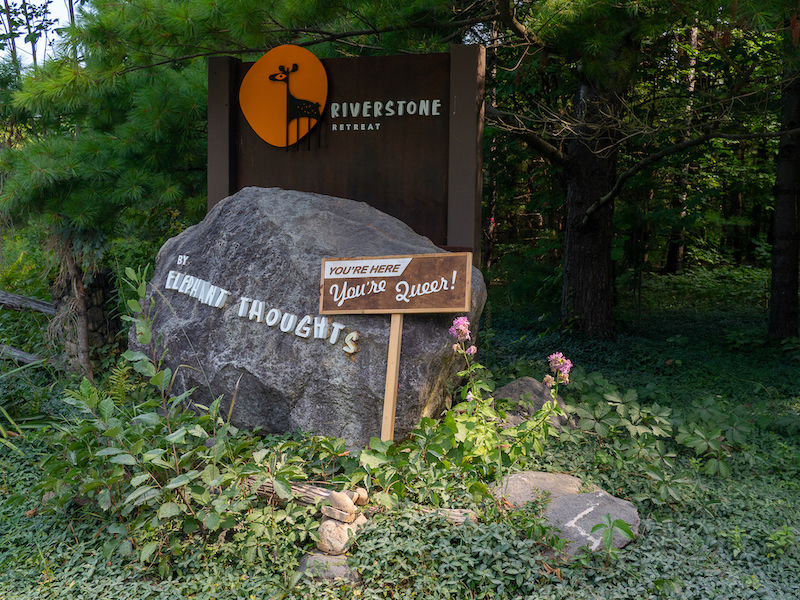
I was feeling lost in the backwoods of rural Ontario until my GPS steered me down a long laneway with a sign that read: “You’re Here, You’re Queer.”
Although this brought a smile to my face, it also made me a little anxious. I knew this must be the place, but I still felt a little lost. Why was I, an old, straight white guy here?
I’ve been to Pride events numerous times as a photographer to support the LGBTQIA2S+ movement. And although I’ve always found it enjoyable – everyone is in a celebratory mood and happy to have their picture taken – there was always a strong corporate presence that bothered me.
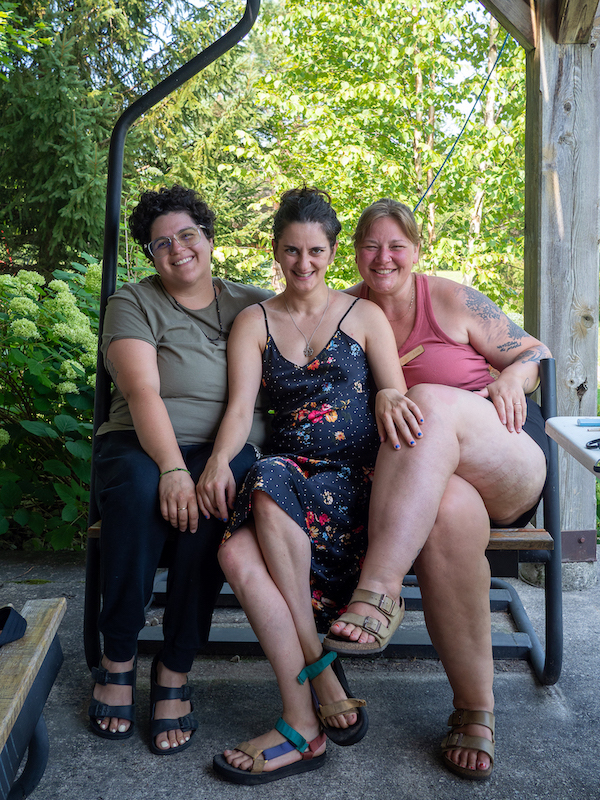
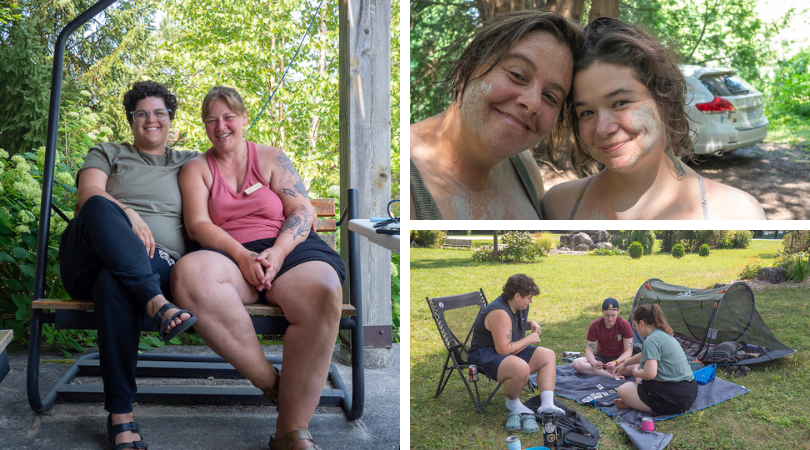
So when I sit down with Jesse and Skylar, the two organizers of Queer Camp, I’m pleased to hear that their Camp was born out of similar concerns. Jesse explains, “we created [Our Queer Camp] as an alternative to the municipal pride celebrations…because we’re finding that space is a little overwhelming for folks. And personally, I think that the municipal prides are getting away from the real reason we started doing Pride in the first place. It’s becoming quite corporate. They’re more about the money as opposed to the culture and really bringing us together. I used to live in Toronto and when I would go down for Pride, I would pass 100,000 queers who I was looking to go spend time with. But I wouldn’t make a single friend. And there wasn’t a space to just really slow down.”
“So, we wanted to put a little bit more community, a little bit more heart and soul into actually connecting to each other and go back to the roots of what pride is.”
In 2024, they started with a large camp in June at Riverstone Eco Retreat. This year they’re hosting camps across Ontario, including camp days at Saugeen Beach and Christie Beach.
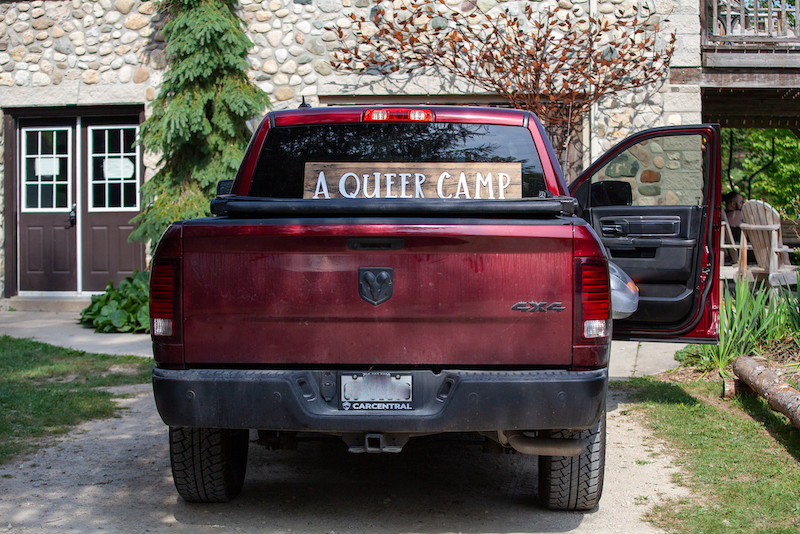
“I think the biggest thing about us is that we’ve made sure that allies know not only are you welcome, but the space is also for you. And you need to come because you’re married to queer people, you know?”
“We’ve had dads your age come with their kids. We had a dad last year who said, ‘my 17 year old kid needs this.’ When she arrived, she felt a little out of place because it was predominantly adults. And her dad was like, ‘do you mind if I stay with her?’ Not long after, he was making pizzas and lighting fires and helping people. Which was perfect as we want to represent a sustainable interconnected community because we can’t be ourselves without our allies.”
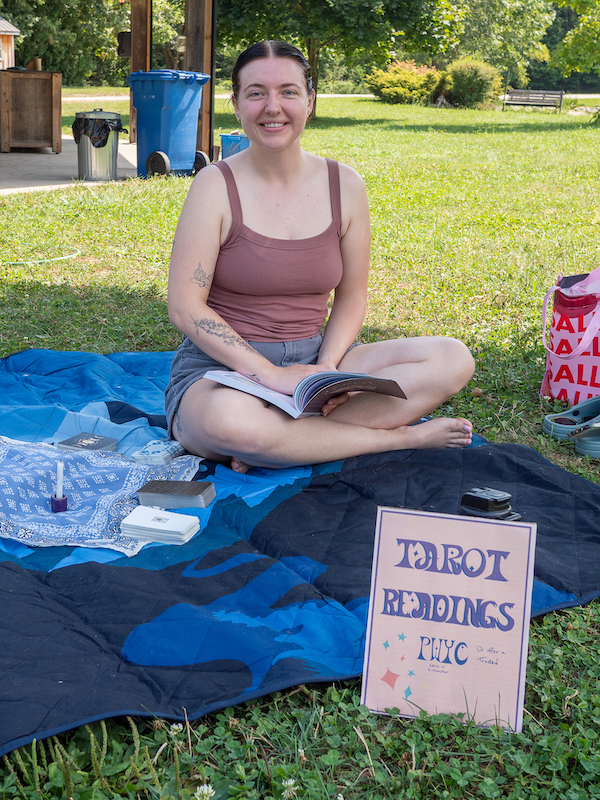
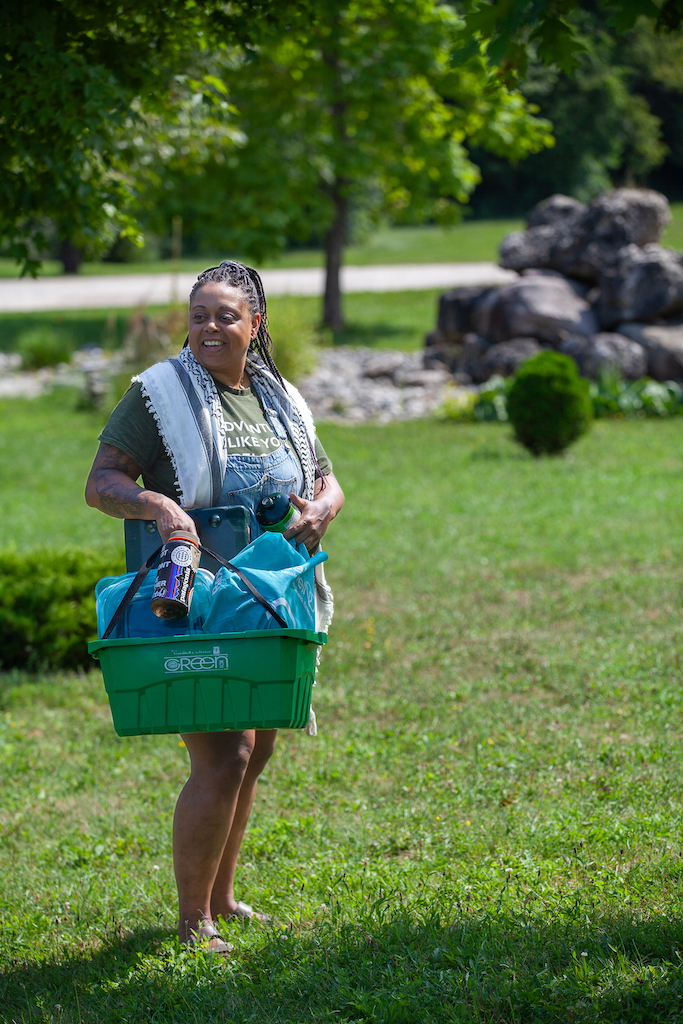
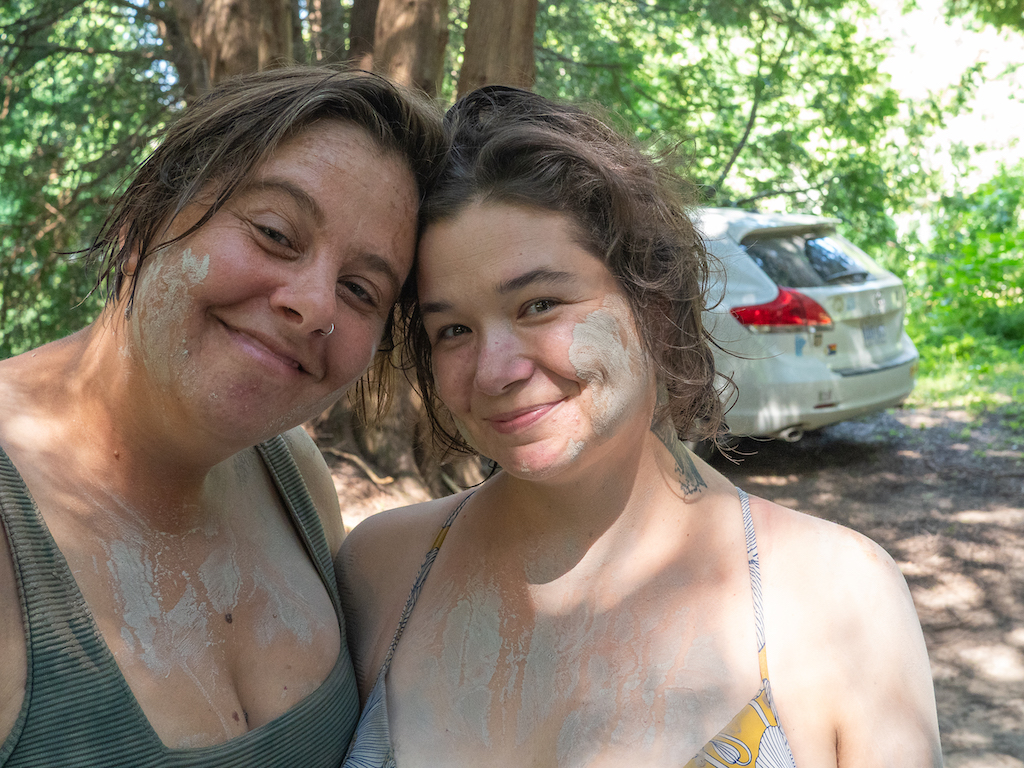
Everyone is welcome at Queer Camp. I’m visiting during their community camp version which included a potluck the night before. They also do other smaller camps including one at a Huntsville Nature Reserve in September and one on the lake in Eugenia in October. But no matter what format their camps take, the most important aspect of all of them are the campfire stories – “the only place that our younger guests are going to learn…that we all went through this stage and it’s going to be fine is around the campfire.
Jesse explains why these campfires are so important: “[Queers] are 86% more likely to struggle with mental health than our straight counterparts. Lesbians are more frequently obese and overweight, so then we have those illnesses that come with that. Our trans community struggles not only with mental health and depression, but because they grew up in an invalidating body, they end up with social issues and personality concerns. This is all more prevalent in our community, and then organizations sponsor us to get together and party and drink. That’s a weird solution.”
“What we actually need is to get together and talk about how we’re all struggling. But we need to do it in a way that’s like fun, too. And this is the medicine that we need for that. Like, so many people I talked to yesterday were like, ‘I needed this week, like, just to do nothing.’”
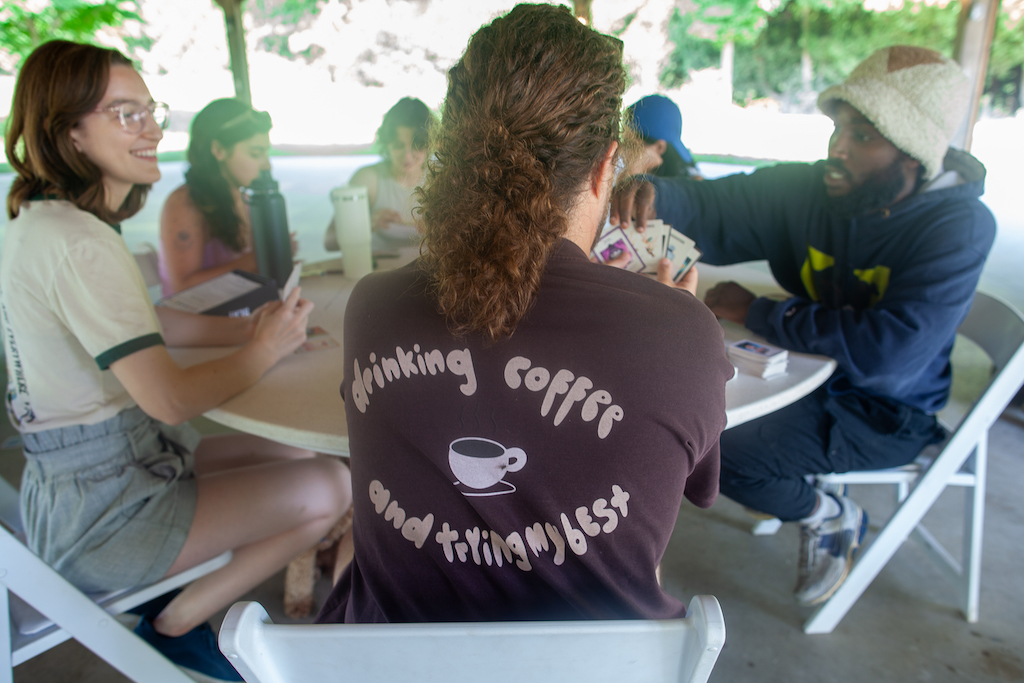
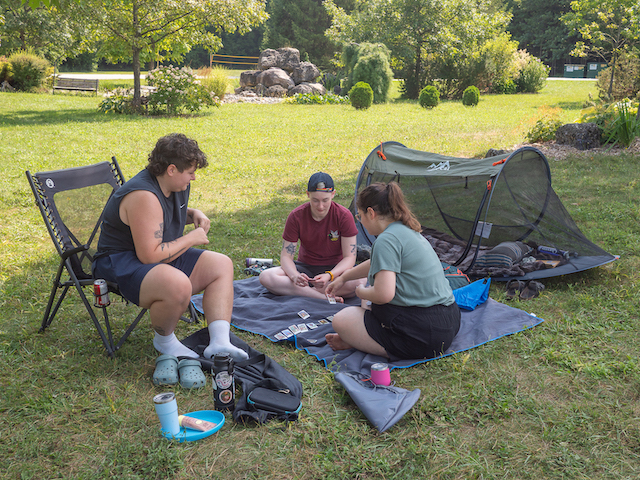
“51% of our campers that we’ve met since starting have gone to a religious-based summer camp as children. But a lot of the feedback we get is there’s been a lot of inner child healing here. And there’s been a lot of like reclaiming their camp experience…getting their camp crush. And it’s all happening in a space of intermingling.”
I can’t help but reminisce about my own childhood spent at the Salvation Army camps my parents ran. I witnessed many of the things they mention but had never considered there were kids there who did not fit in. Nor did I realize this during my days as a student and teacher. Only in my later years teaching did I finally start to recognize the tremendous amount of loneliness some young people feel. And how much of this loneliness comes from societal norms.
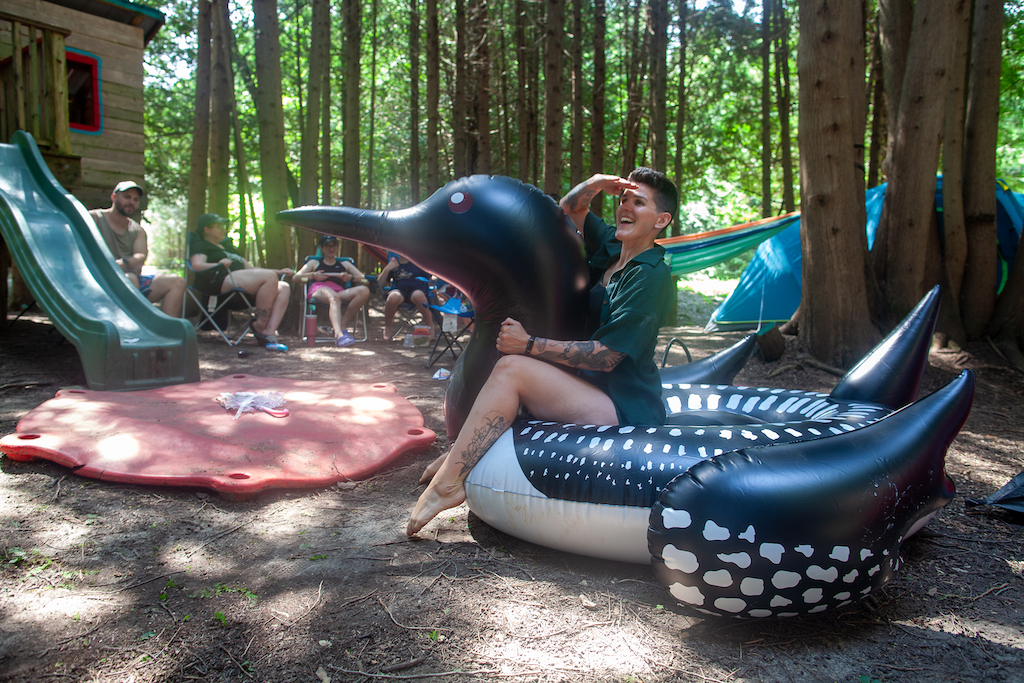
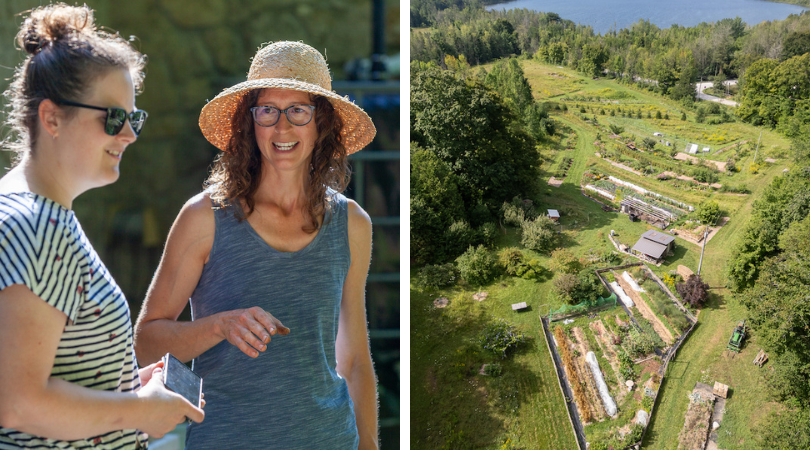
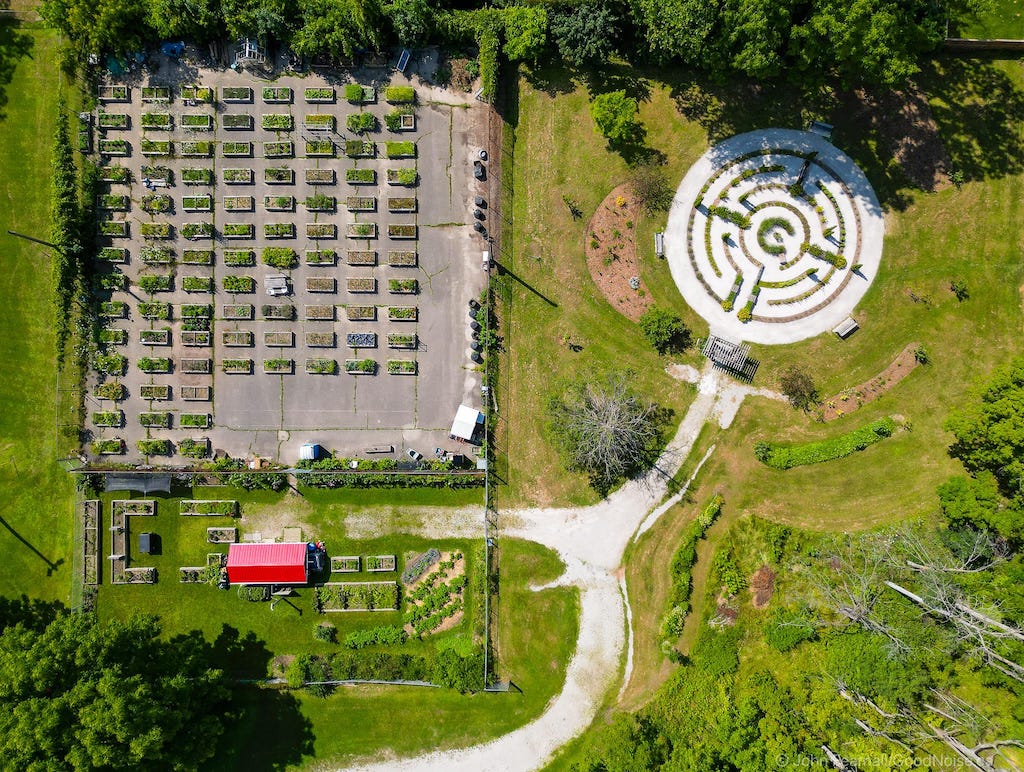
As Skylar and I finish our tour of the campground, I can’t help but feel a deep appreciation for what they are doing. Especially for someone like me who has never struggled to fit in or find my place. Even in a place like this, where in many ways I don’t fit, every effort was made to make me feel welcome. So much so, that I’m hoping to attend one of their camps this year with my own daughter.
As Jesse said during our goodbyes, “We’re kind of calling back our people who just need a slower pace and want to reconnect with themselves, nature, and with other queer people.”
Driving home, I remembered something else Jesse said, “we want to be a sustainable interconnected community because we can’t be ourselves without our allies” and I realized my feeling of being lost was gone. I understood why I was there. And understood that’s exactly why the Queer Camp is so vital – to help us ALL find ourselves so we can better understand each other.
If you’d like to attend Queer Camp or know someone who would, you can contact Jesse and Skylar at aqueercamp@gmail.com and find them on socials @aqueercamp
Words and photos by John Fearnall