Come over to The Dark Side.
No, it’s not a reference to Skywalker being tempted by Darth Vader, although I do love a good Star Wars quote.

It was a text I’d regularly receive in my twenties when I was playing pool at the Pub with a couple buds. It was close to ten o’clock, which meant the band was cueing up for a raucous set at the only late-night music venue in Owen Sound at the time: The Dark Side.
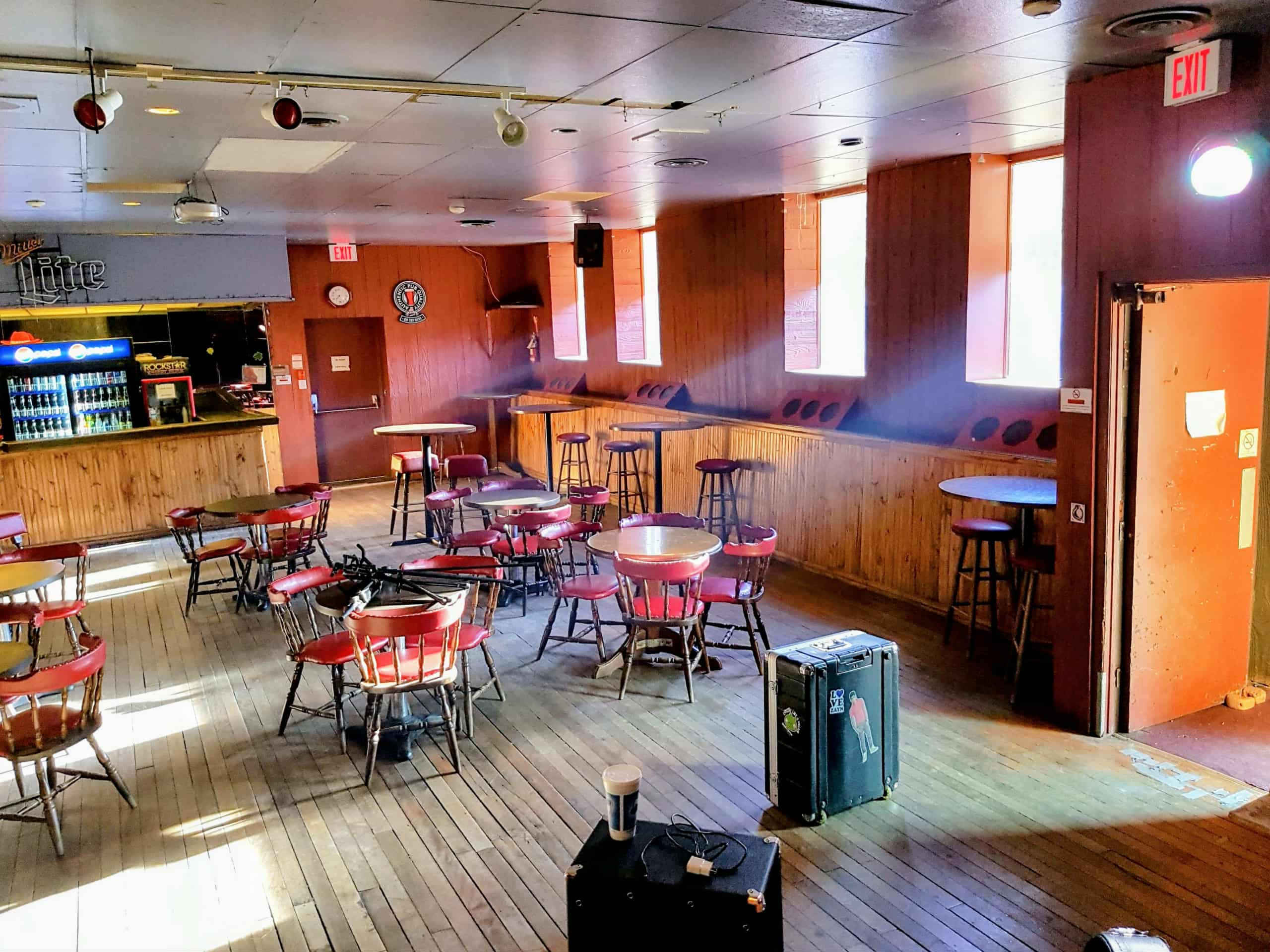
We’d wander across the hall to a darkly lit room with a narrow stage, a few round tables and small bar tucked into the back corner stocked with Crystal, OV and 50. It was as close to a roadhouse as I’d ever seen.
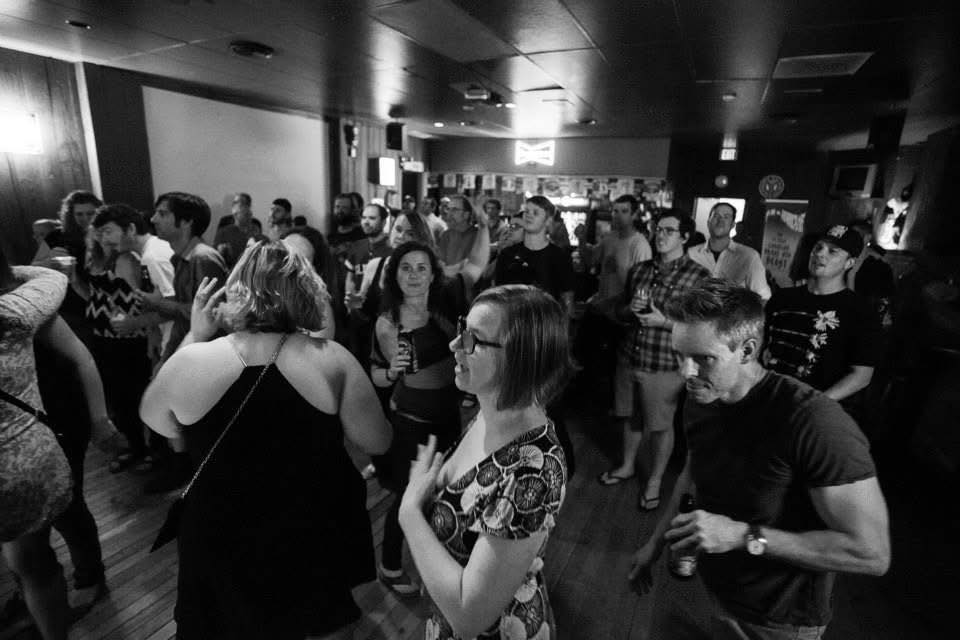
There was always older crowd of regulars that wandered down from Mudtown, always some local music fans, and always a young crowd looking for a place to happen. I was part of that young crowd back then. We’d order up a Crystal, find our spot against the wall, and wait for the band to take the stage. By midnight, the place was packed, and the band had the crowd in the palm of their hand.
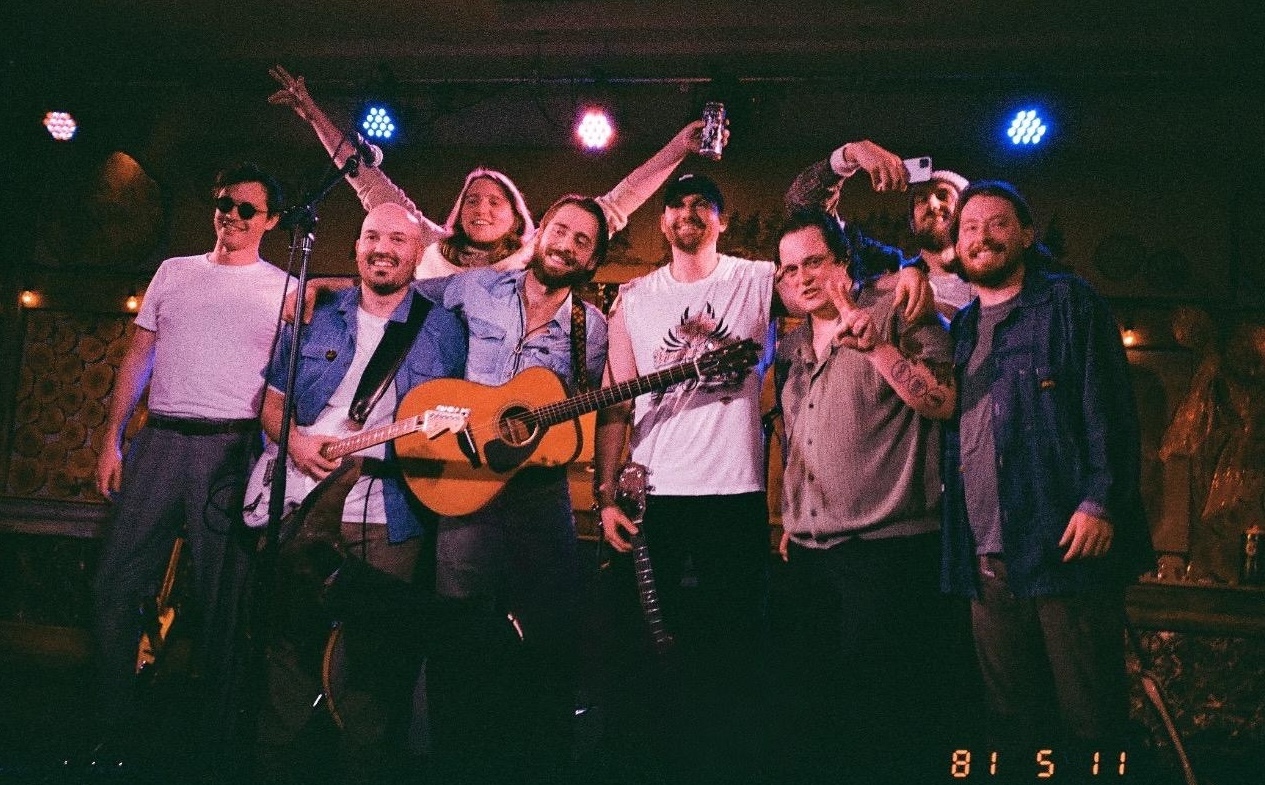
On any given night, that band would likely include Trevor Mackenzie and Mike Weir, who both played in The Mackenzie Blues Band and Dirtymack, two seasoned outfits often booked for the weekend.
“It was seriously a weird and wonderful place”
They were also both helping The Honey Hammers and Grey Road One cut their teeth at The Dark Side in those days. Fred Dawson ran the Thursday night karaoke and was introduced to Mike and Trevor, forming three quarters of Grey Road One.
My memories include the tall viking-esque lead singer Hans Langedyk of Dirtymack belting out Zeppelin vocals like Plant incarnate while Trevor shredded on guitar or waved his wands around a theremin (a musical antenna he says was the very first electronic instrument) looking like a rock wizard during Whole Lotta Love.
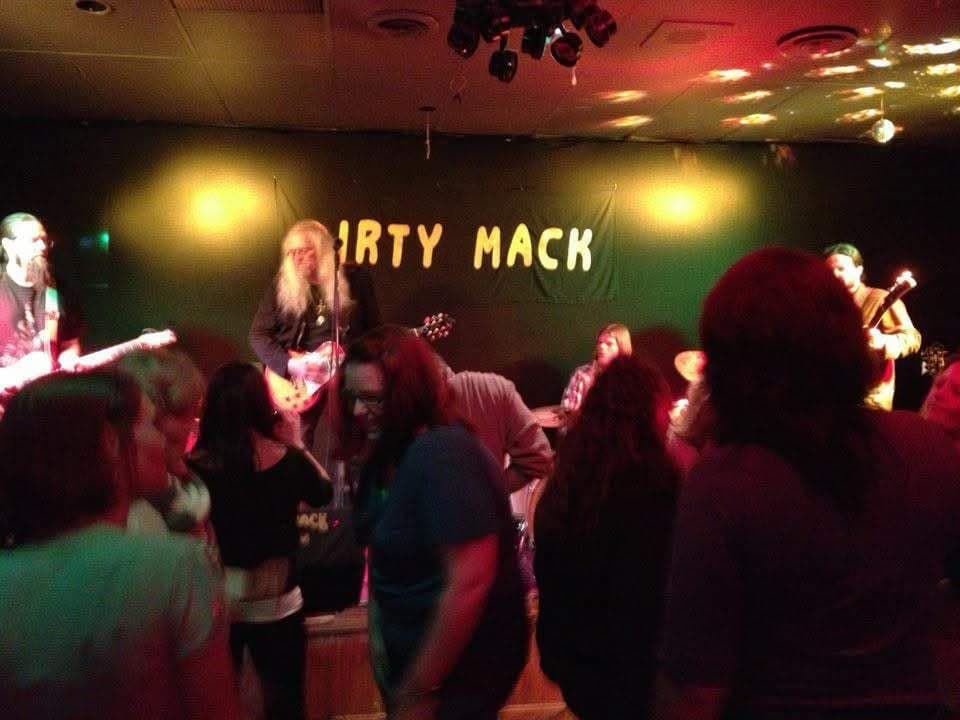
“It was a magical place,” says Trevor as he takes a walk down memory lane with me. “The Dark Side was its own place, you know – those rickety floors all sticky…that tiny little stage, like a police lineup.” he says and laughs. “And dark, very dark – there was no light in there. But that’s what made it.”
We trade Dark Side stories, and Mike Weir soon joins the conversation and offers a few of his own, like one night when they were about to go on and they couldn’t find a couple bandmates who’d stepped outside for what John Prine calls an Illegal Smile (not illegal anymore). They found out later they’d been picked up by the police and that’s why they disappeared five minutes to showtime. The place never saw much police involvement as far as they remember, though. There was the odd tussle, but with their friend Rob Laycock acting as their unofficial security most nights, they rarely had issues of that kind.
The only arguments I remember were over the last bottle of Crystal or the best Zeppelin song. It was always a fun crowd. And an eclectic one. “There’d be a whole mix in there,” says Trevor. “It wasn’t just one type of crowd.”
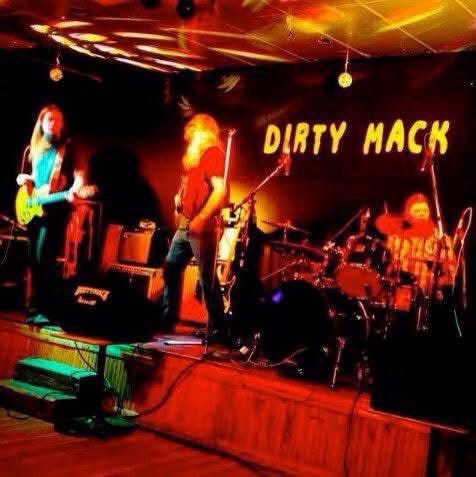
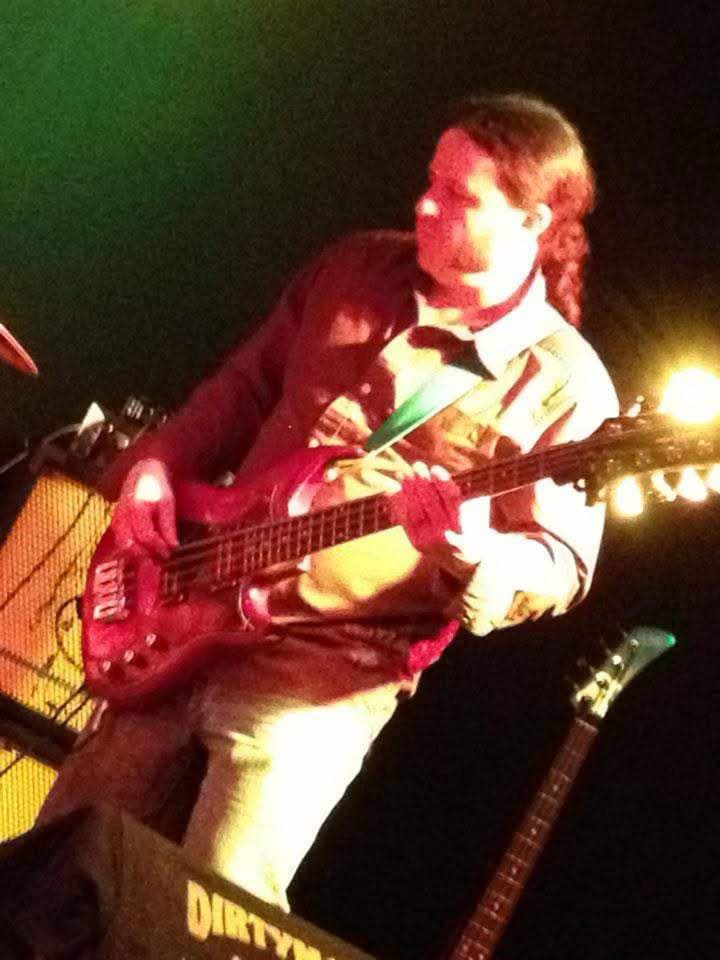
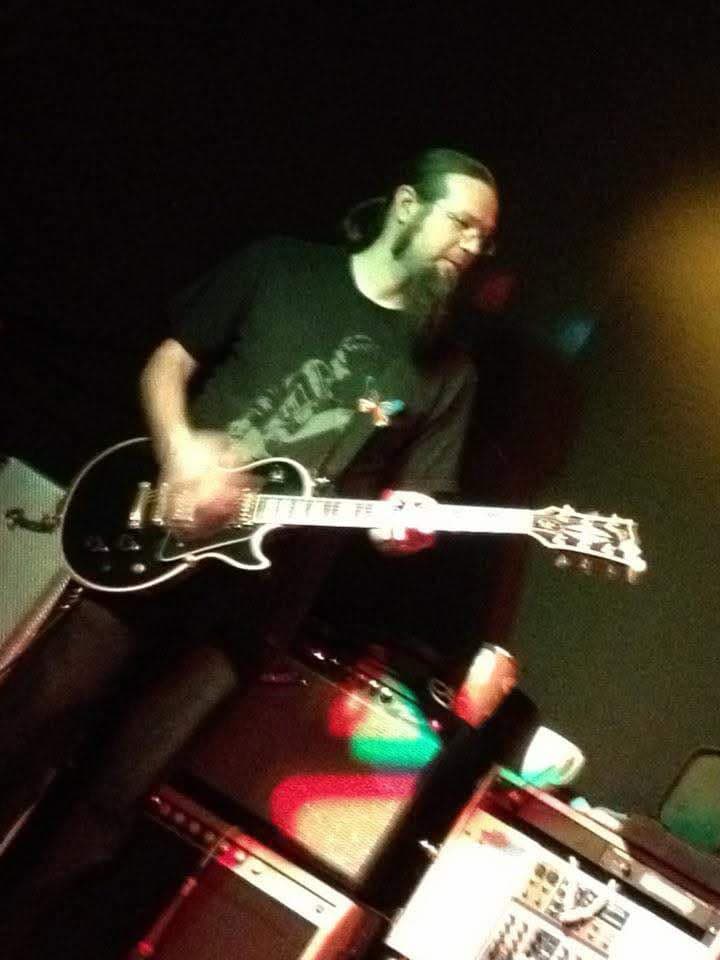
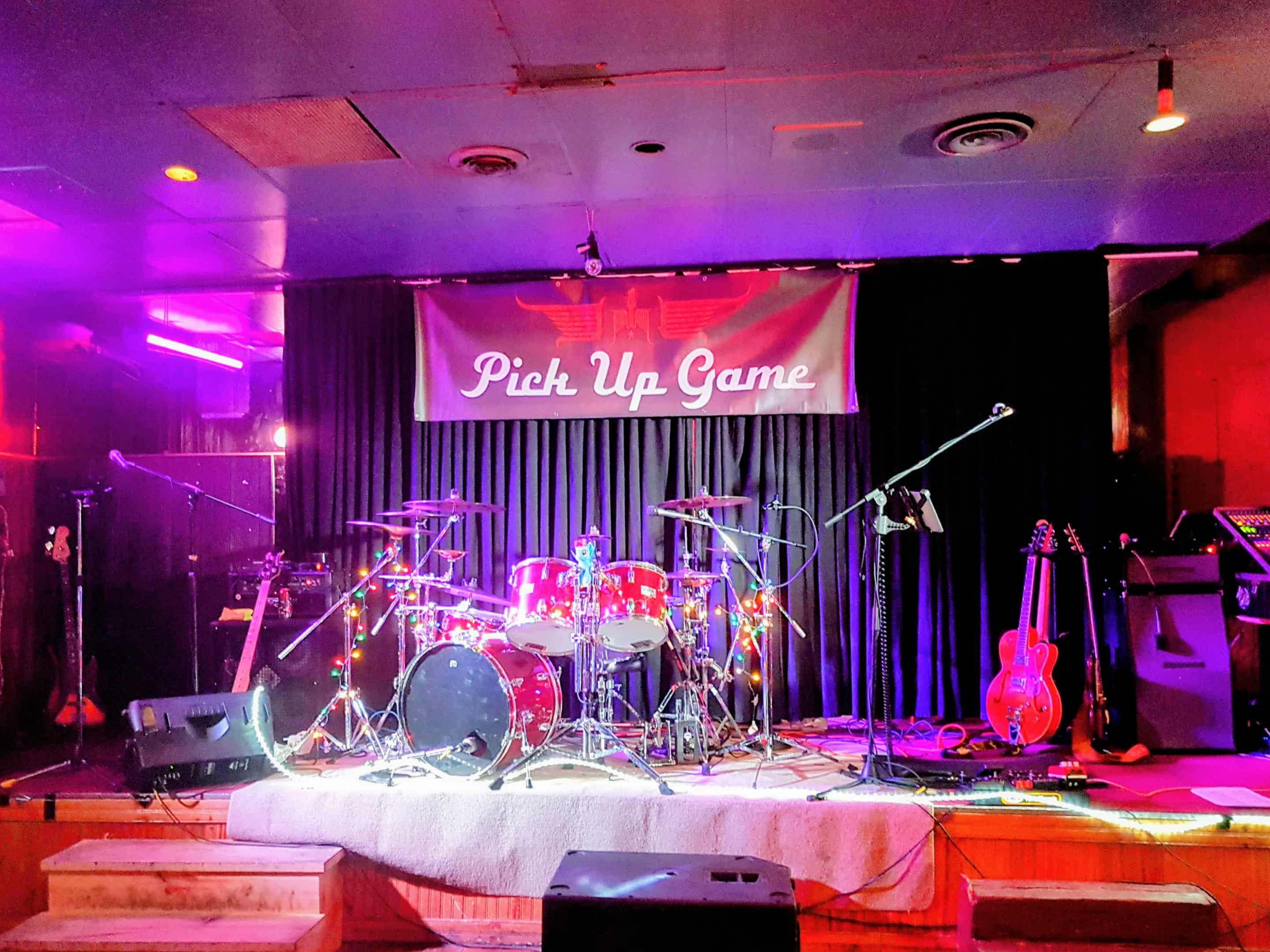
And it wasn’t just one type of band. Along with blues and classic rock, there were also country and rock bands, none better than regional favourites Pick Up Game for their 90s and 2000s inspired rock. Jay Hoffman says he knew they’d made it into the big leagues of the Owen Sound music scene when they were given the nod.
“It was a seriously weird and wonderful place,” says Jay, lead singer of PUG. “You could count on two things: the floor was always sticky, and you just never knew who’d end up walking through that back door; it was a party every single weekend.”
“The load-in routine was always a pain. You’d show up and load in, most of the time lugging your equipment through the kitchen just to get to the stage. And man, that stage was narrow. I mean, the narrowest I’d ever been on. Our drummer could barely squeeze his kit in without the kick drum literally threatening to roll right off the front edge.”
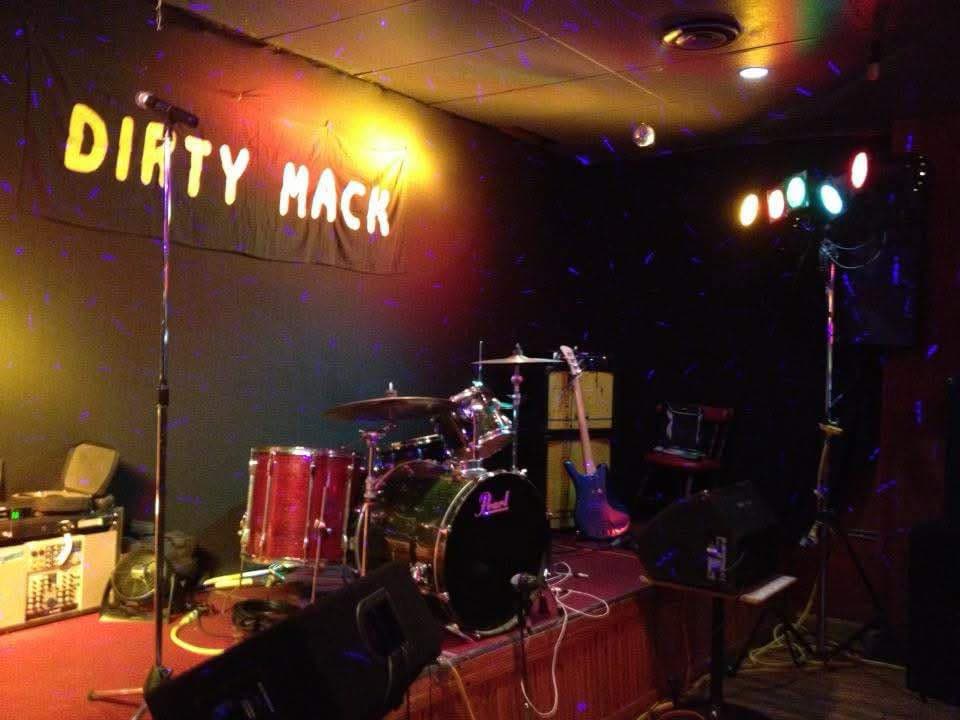
If you asked someone what night they remember most, they might tell you Boxing Day. It was legendary. Everyone who home for the holidays wanted a chance to catch up, so the Pub and Dark Side became the place to go. Every year it would fill up early and a line would form as early as 10pm. But having the Dark Side and the Pub separated by a hallway presented a problem. If you were in the Pub and your friends were in The Dark Side, you couldn’t connect. We soon realized you could go through the kitchen to get from one side to the other, as long as you didn’t get caught. It worked for a few years until management caught on and was soon thwarted at every attempt.
Another standout memory was the My Son the Hurricane show. The twelve-piece brass band with hip-hop frontman Jacob Bergsma played to a packed room (most packed I’ve ever seen it) after one of Mudtown Records’ early festivals, and kept responding the crowds chants of ‘encore’ until they finally came back for a third but confessing ‘We don’t know any more songs to play for you’ and launched into a rendition of The Fresh Prince of Bel-Air.
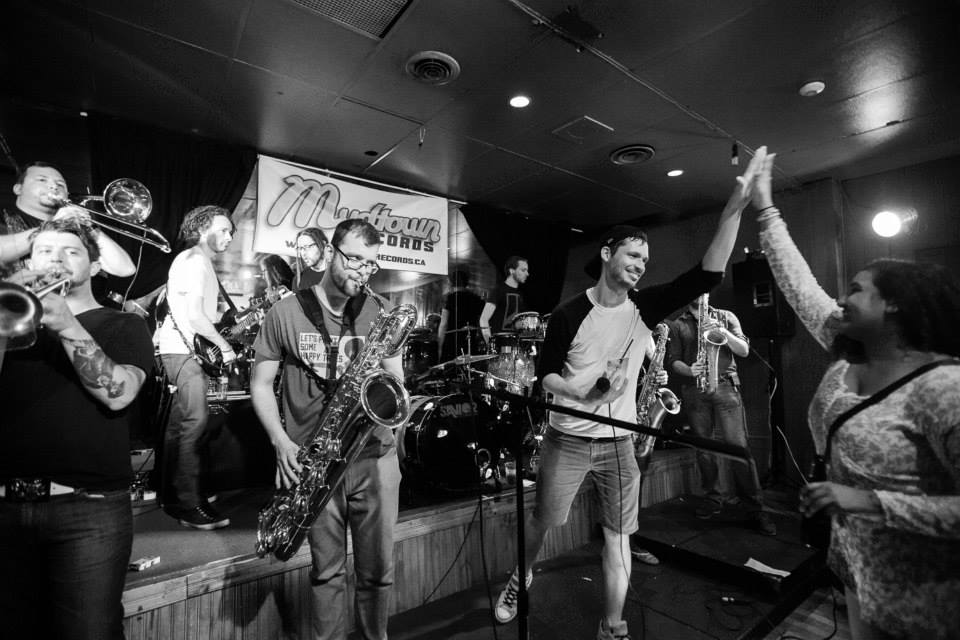
“That’s when Sylvie [Kindree] actually joined the band was the Dark Side show,” says Mike Weir. “They asked her to get up for one song, but she studied up and learned all of them. They were playing London the next day and they took her with them.”
It’s stories like that that reinforce Trevor’s claim that it was a magical place. He would know – he spent many of his Friday and Saturday nights there from the late 90s to the 2000s. And also Sunday afternoons, which were part of the ‘two nights and a mat’ deal, a possible remnant of the days when bands played a full week stint at a bar as they traveled across the province. That was before Trevor and Mike’s time, but you might ask Hans Langedyk or Kevin Dandeno about that, they say. The Dark Side existed at a time when bands played until 2am, which might also be a thing of the past. “Nothing goes past twelve o’clock now,” laments Trevor, but we both joke that it’s better for our sleep schedule. I didn’t really care about my sleep schedule that much in my twenties, though.
Neither of us can remember exactly when the Dark Side closed, but Jay can. He was playing there the night of the fire that ultimately closed it down for good.
“It was a typical show: lots of people dancing, having a good time. When we finished, we were tearing down our equipment when the fire alarm started. I remember looking over at the bartender. ‘Is this normal?’ we asked her. She just gave us this total shoulder shrug, ‘Yeah, nothing to worry about.’ So we actually kept packing our gear.
Then I went outside with my wife, and we walked around the back of the building with a couple guitars in hand and looked up, and saw it was on fire.
I told my wife to grab the car and pull it onto the road. I rushed back inside and got the guys’ attention. I tried to sound calm as I could: “Okay, seriously, nobody freak out, but the building actually is on fire.
That sparked focused panic. We worked so hard to strip the stage, literally just taking everything—cables, amps, PA, lights, guitars, the whole system—and throwing it out onto the sidewalk on 2nd Avenue East. The fire department arrived shortly after.”
There are many venues that offer live music in this area, and I’ve been to almost all of them. And I enjoy them all because I love live music. But Trevor is right: there was a magic to the Dark Side – it felt like it was ours. It didn’t show up on tourist pamphlets or travel brochures. You didn’t need to dress up or be there early. It existed solely for live music from 10 – 2. Beer was cold, music was loud. And you could dance if you wanted to. And yes, the floors were sticky as hell.
I’ve heard the building is currently for sale and it’s unclear whether there will be another iteration of the venue at any point in the future, but as Mike points out: “it changed ownership a few times, but always seemed to keep the same character,” so let’s not count it out.
I think Mike speaks for a lot of us who frequented the Dark Side when he says: “I miss that place. I always felt at home there.”
Written by Jesse Wilkinson
Photos provided by Trevor MacKenzie, Jay Hoffman, and Carlo Obillos