

She may have been born in Alberta, but Samantha Martin spent the better part of her youth on the Bruce Peninsula. She bounced between Edmonton and Lion’s Head before eventually spending a year in Owen Sound, one that she claims “shaped her entire life.”
For Samantha, this time in Owen Sound altered her trajectory in a way she wouldn’t fully recognize until years later.

Apart from kitchen parties, karaoke bars and time spent learning the guitar, she had never performed. However, when The Pacific Hotel in Wiarton hosted a karaoke competition, she answered the call. She remembers losing to Tim Carson, who immediately invited her to the open mic at The Harb in Owen Sound, where Trevor Mackenzie was the band leader. Performing Janis Joplin’s Piece of My Heart with a group of talented musicians, who had oversold their structural knowledge of the song, she returned each week until they nailed it.
She recalls developing “lifelong friendships” with some of the area’s now-staple names: Joel and Rebecca Morelli, Tara and Trevor Mackenzie, Pete Devlin, Tommy B and Carey Warrod, to name a few. It was through this camaraderie and musicianship that she stumbled on the realization that “she’d been bitten by the live music bug.” In 2004, this led to the recording of her EP Fade, recorded with Tara and Trevor Mackenzie.
When a few of her new pals, like Tyler Wagler and Tim Carson moved into a converted downtown Toronto garage, she began exploring the city scene. She landed in Scarborough when she finally moved, which wasn’t exactly a music mecca in the 2000s, but served as a foothold for her establishment in the open-mic circuit.
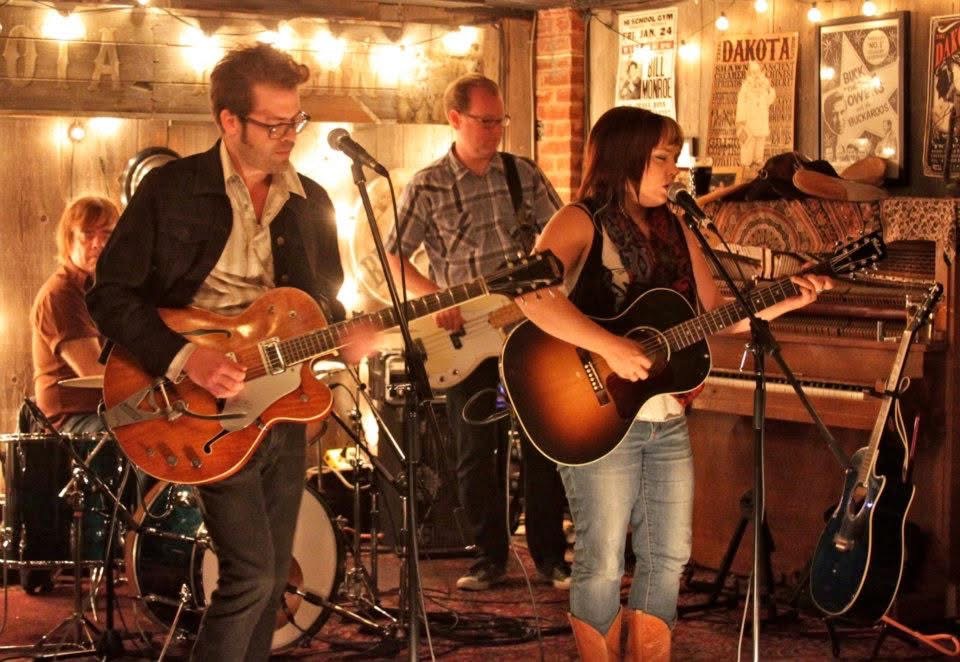
Samantha had hardly written until she was invited to perform at a C’est What singer-songwriter open mic night. Hosted by Derrick Downham and frequented by an eclectic crew of notable songwriters like members of Do Make Say Think and Ron Sexsmith – the showcase had one rule: original music only. Samantha remembers the fire this lit, the sudden urge to write and to share with a purpose.
In 2008, she released her debut LP, Back Home with producer Derek Downham. She describes the album as country-leaning, adhering to what she “felt like” she should be doing artistically at the time, following the musical influence of her father and friends. During the release of this album, she frequented Toronto honky tonks like The Dakota Tavern, even laden in a 10-gallon bucket hat when the occasion called for it.
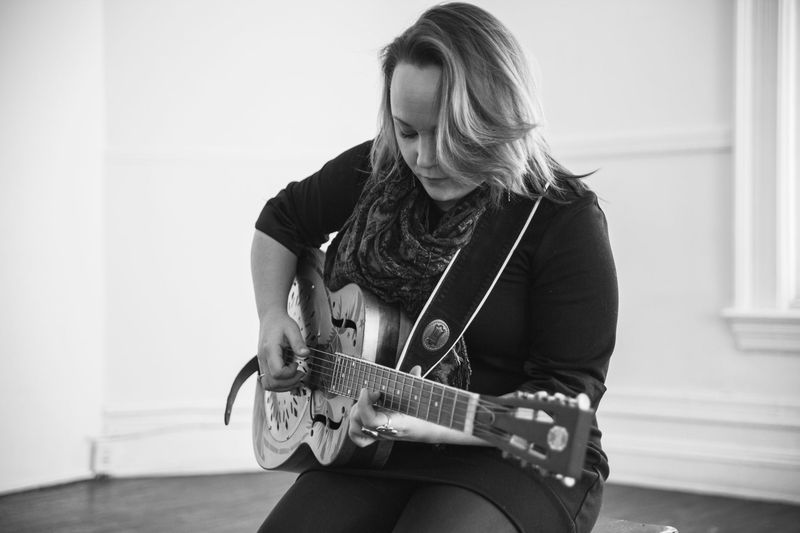
These early recordings marked the beginning of a long journey; one aimed at finding “her sound.”
In 2012, she formed a new group and released the self-titled Samantha Martin and The Haggard record. This country-blues, gospel record was an integral part of her process as it brought forth the realization that her music was reflecting what she “was listening to at the time.” She notes, “if you just go for what’s popular, you miss out on authenticity.”
In the search for such authenticity, Samantha founded Delta Sugar in 2014, a then four piece band that grew into the current ten piece unit.
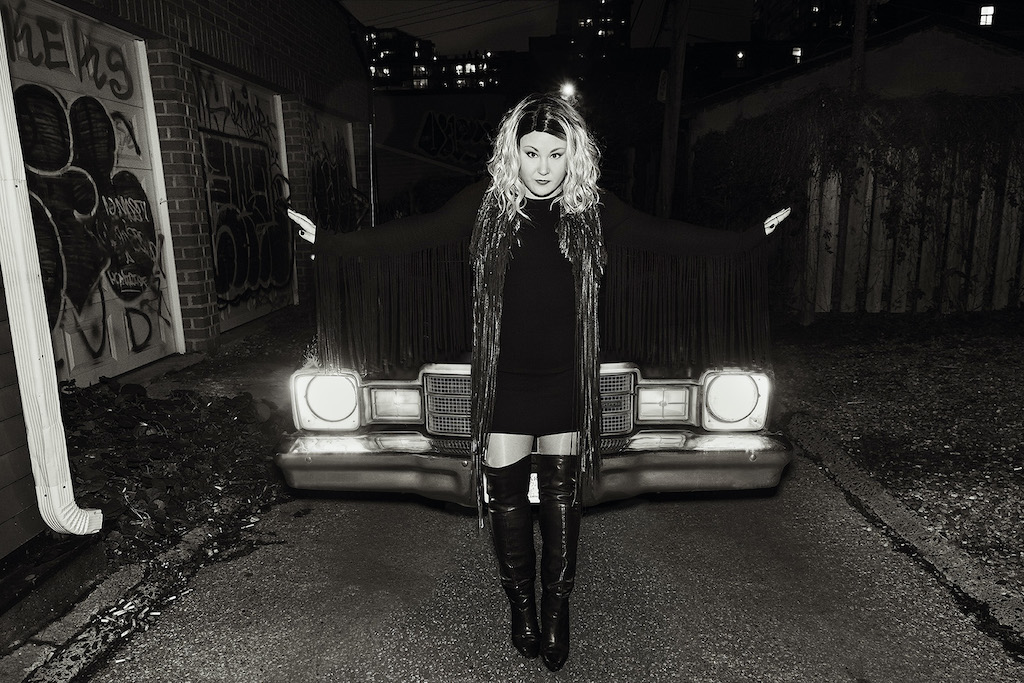
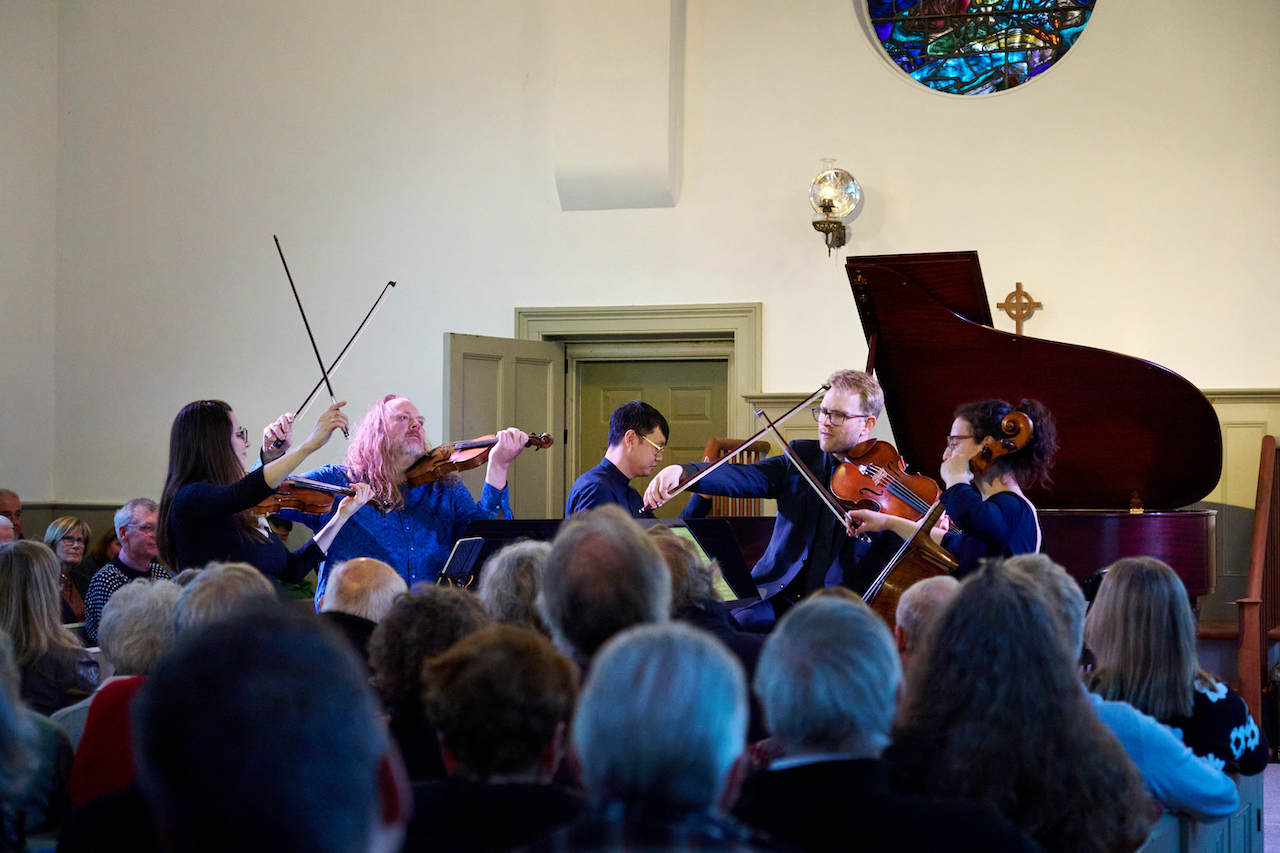
Horn sections, dialed rhythm, and some of the best backing vocals I’ve experienced are a few of the elements that characterize this band. Samantha tells me that before Delta Sugar, there was often a sonic power imbalance on stage, but with the new band there was a perfect pocket carved out for her, ready to let her vocals shine.
While Delta Sugar has some core members, the group as a whole has undergone personnel changes over the years. It’s a process Samantha says she learned when writing about and managing a toxic personal relationship in the band’s early days. This experience taught her a lot about finding her voice on stage and off. She explains that touring is the hardest part of the gig, and that maintaining a healthy dynamic is everything.
As a “mostly self-taught guitarist,” the skillsets and musicianship within the group allows her to extend her song writing abilities tenfold. She credits the difference in her writing as a direct result of hearing the band in her mind when she writes. Whenever she writes vocals, she hears member Sherie Marshall’s parts in her head.
When it comes to writing, Samantha has a fresh take for me.
Like other artists, a lot of her material derives from “tough times, heartbreak, sadness and love,” but where other music often feels like it stems from the impulsivity of a single moment, hers relies on a “finished story.” She tells me she needs to “fully live through something” in order to adequately capture it. For Samantha, it’s the initial feeling of love that sparks a song, but what allows her to craft a story about it is the reflective period that follows. She adds “I can’t write about hard times until the chapter has closed.”

She explains that if a song is written impulsively, it might be so specific that it only applies to the writer, where a song that pulls from a longer chapter of a lived experience can create space where resonance occurs. She calls this “giving the listener room to see themselves” in the music.
Discussing popular music, I’m refreshed to hear an honest take on the weight of the current industry. Samantha tells me there’s an onus placed on distraction, a fear of connecting with anything that will remind us what is going on around us. She notes that daily hurdles like “late-stage capitalism” have their claws in us, things like the immediacy of our media, the news cycle and fast-content, tailoring itself to our every need. It all affects us.
Samantha is empathetic about why people don’t have the capacity to connect, but she believes in the importance of that connection just the same. Not despite the current state, but because of it. Now, more than ever, we need to find ways to heighten our understanding of each other.

“Music exists to connect with people. It’s a mirror, trying to reflect universal truths,” she says and recalls the emotional connections listeners had to Send The Nightingale, a record she wrote for her late mother who passed from a terminal illness. Through heartbreaking lines like “give me your mercy” and “save me, for I am lost,” she was processing her own grief while opening the door for others to do so.
There are requests for her songs from Send The Nightingale to be performed at funerals. A sentiment that is not lost on her. The catharsis of her music is ultimately what drives her.
When I ask about finding balance, she laughs and says “how do I find balance? I don’t.” Her son is her priority. When she finds time, she uses it to create new art, but like the search for authentic sound, she’s continuously working towards balance.

She has spent her life working tirelessly to find herself, her sound, and to bring her honest performances to those in search of connection. She’s an artist who’s found a life of music in the most organic way possible and has earned two Juno nominations along the way.
In February 2026, Samantha Martin and Delta Sugar released a live album from their 2022 performance at The ACT Theatre in Maple Ridge, B.C. And in March 2026, Samantha Martin and Delta Sugar returned to the studio to start tracking their first full length LP since 2020. Stay tuned!
Find her music on your favourite streaming service and on her website.
Written by Marshall Veroni